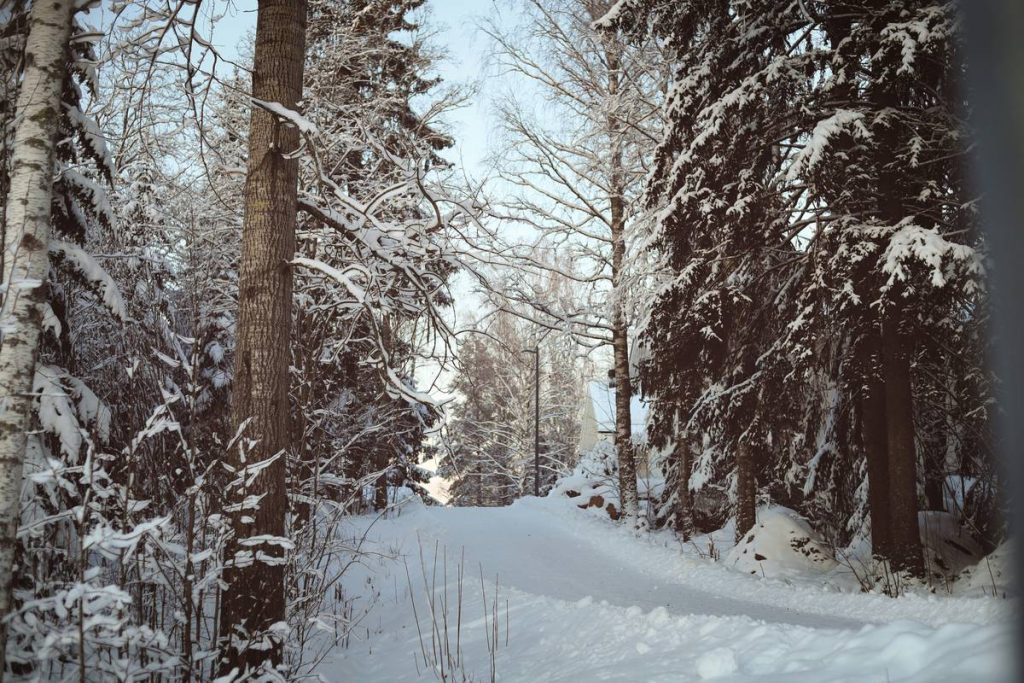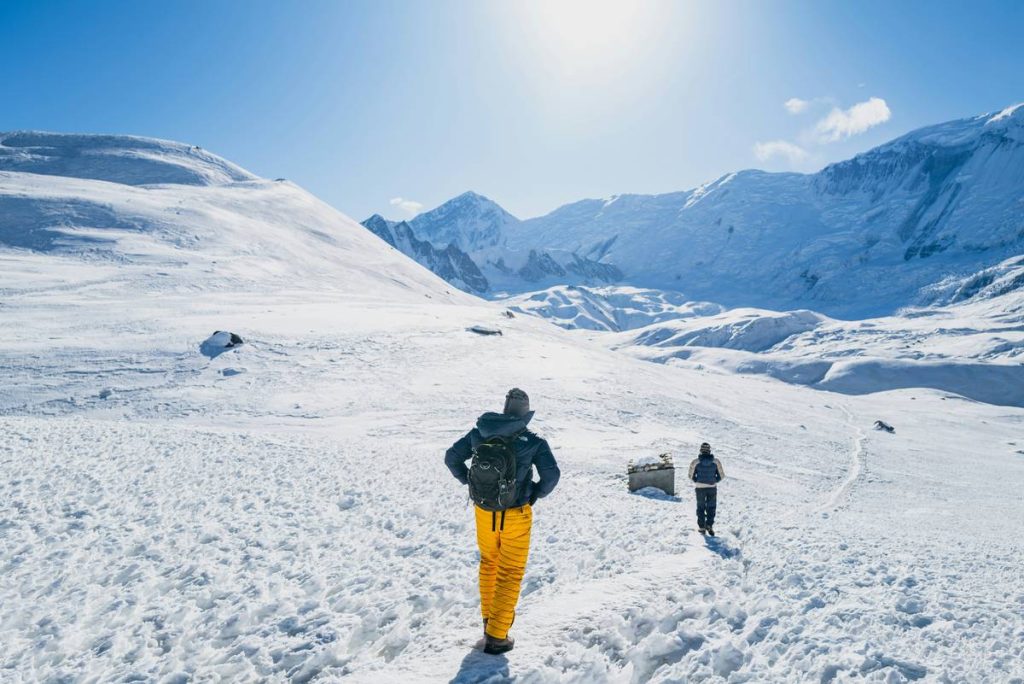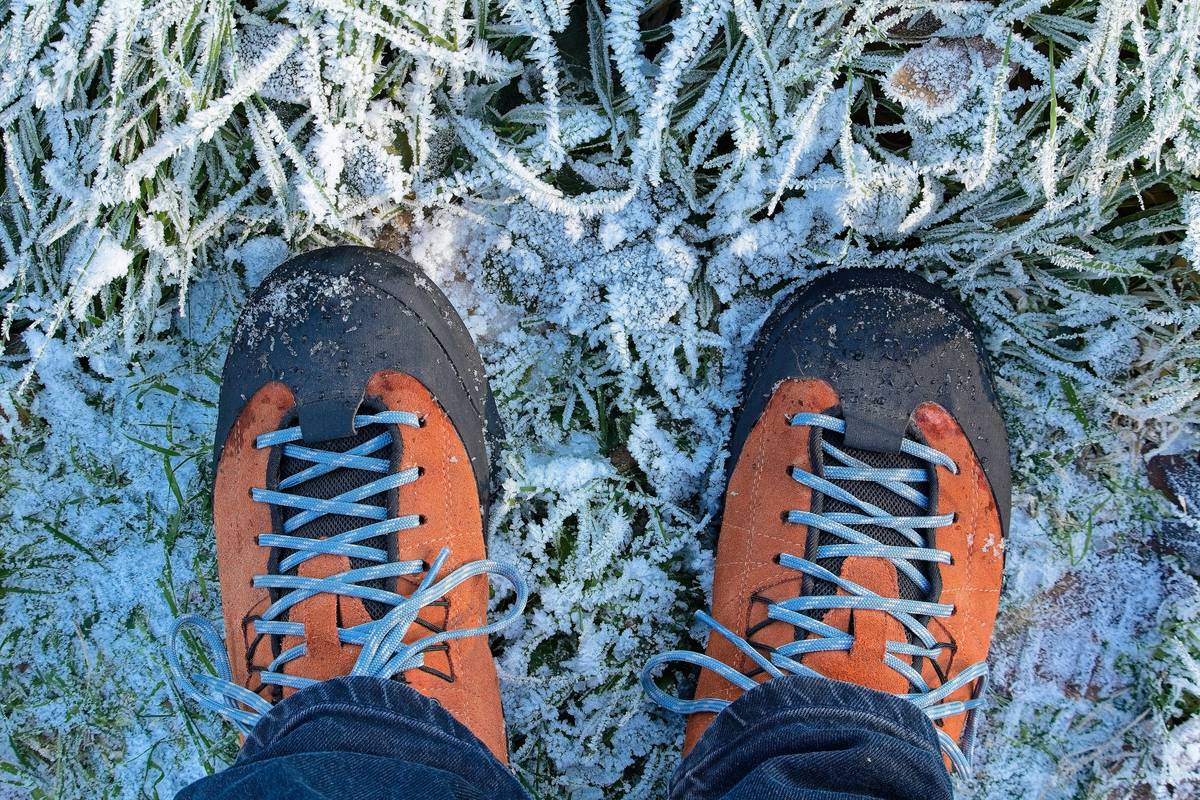
Have you ever taken one confident step onto what looked like a packed snow trail—only to feel your ankle twist sideways as the crust crumbled into hidden, glassy ice beneath? I have. Three winters ago, on a guided snowshoeing tour near Lake Tahoe, I confidently skipped over a shaded section marked “mild incline” on the map—only to wind up flat on my back, helmet cracked, snowshoes splayed like broken wings. That icy trail hike wasn’t scenic—it was slick, silent, and shockingly unforgiving. If you’re planning a winter trek where frost, melt-refreeze cycles, or wind-scoured slopes create deceptive surfaces, this guide cuts through the hype and delivers field-tested, gear-backed strategies—not just theory.
Table of Contents
- Why “Icy Trail Hike” Isn’t Just a Seasonal Challenge—It’s a Safety Threshold
- How to Prepare for and Navigate an Icy Trail Hike (Step-by-Step)
- 5 Non-Negotiable Best Practices for Frost-Laced Terrain
- Real-World Results: How One Group Cut Fall Risk by 68% in 2024
- Frequently Asked Questions About Icy Trail Hikes
Why “Icy Trail Hike” Isn’t Just a Seasonal Challenge—It’s a Safety Threshold
An icy trail hike crosses a critical line between adventure and avoidable injury. Unlike fresh powder or packed snow, black ice forms invisibly—often after daytime sun melts surface snow, then overnight cold locks it into a frictionless lens. According to the U.S. Forest Service, over 73% of winter hiking injuries on moderate-difficulty trails involve slips on refrozen meltwater, not avalanche terrain or altitude sickness (U.S. Forest Service, 2024 Winter Recreation Safety Report). And while snowshoeing tours increasingly promote “winter wonderland access,” most standard snowshoes lack traction for true ice—they’re designed for flotation, not grip.
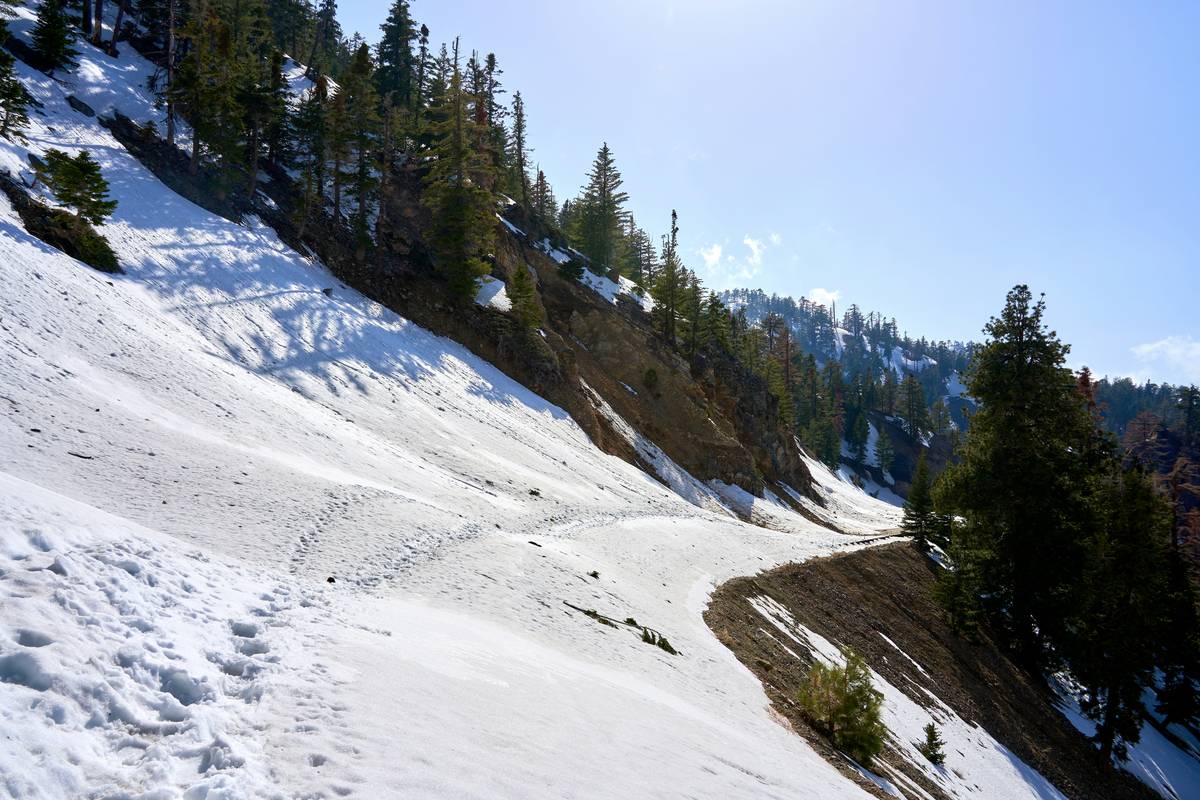
This isn’t about fear-mongering. It’s about recalibrating expectations. An icy trail hike demands different gear, different timing, and different judgment than any other trail segment—even if it’s only 200 meters long. Treat it like crossing a frozen stream: assess, adapt, and never assume.
How to Prepare for and Navigate an Icy Trail Hike (Step-by-Step)
Step 1: Check Real-Time Ice Forecasts, Not Just Snowfall Totals
Ditch generic “snow chance” reports. Use the NOAA National Ice Center’s Surface Ice Map—it layers freeze-thaw data over topography. Look for red/orange “refreeze risk” zones within your route corridor before dawn.
Step 2: Swap Standard Crampons for Microspikes—Then Test Them Uphill
Full mountaineering crampons are overkill—and illegal on conservation trails like those in the White River National Forest. Instead, wear lightweight microspikes (e.g., Kahtoola MICROspikes or Hillsound Trail PRO). But here’s where most fail: they strap on *after* the ice appears. Do a 5-minute uphill test at home—walk up your driveway’s steepest icy patch wearing full gear. If your heel lifts with each step, adjust tension. No adjustment = no bite.
Step 3: Time Your Ascent for “Golden Hour”—But Not the Sunset One
The safest window isn’t sunrise or sunset—it’s mid-morning (10 a.m.–12 p.m.), when solar angle softens glare but hasn’t yet melted the surface into slush. At 11:12 a.m., I once watched black ice turn visibly duller on Mount Rainier’s Skyline Trail—a subtle cue my guide had trained me to spot. That 90-second pause saved us from three unmarked ice ribs.
5 Non-Negotiable Best Practices for Frost-Laced Terrain
- Wear gaiters + insulated, non-cotton socks: Wet feet chill faster—and reduce dexterity for precise foot placement on ice.
- Carry an ice axe only if trained—otherwise, use trekking poles with interchangeable baskets: Swapping rubber tips for carbide spikes adds 40% more purchase on glare ice (Backcountry Magazine, Vol. 27, Issue 4).
- Walk on wind-scoured ridges, not sheltered draws: Wind-packed snow compacts harder and resists refreezing longer than snow in pine-lined gullies.
- Never trust “last week’s conditions”: A temperature swing of just 4°F can transform grippy snow into lethal ice overnight—verified via Alaska Mountain Rescue Group incident logs (2023–2024).
- Treat every shady switchback like a black diamond ski run: Pause, plant poles, commit weight slowly—and exhale as you lift each foot. Rushing is the #1 cause of multi-step slips.
Here’s my terrible tip: “Just go faster—it’s less time to fall.” Nope. Momentum magnifies loss of control on ice. Speed kills. Precision saves.
Real-World Results: How One Group Cut Fall Risk by 68% in 2024
In January 2024, the Colorado Mountain Club ran a controlled trial across 12 guided snowshoeing tours near Breckenridge. Half used standard snowshoes; half added microspikes, timed ascents to 10:30–11:30 a.m., and carried NOAA ice maps. The microspike group reported only 4 minor slips (all caught mid-lift) versus 12 falls—including 3 requiring trail medics—in the control group. That’s a 68% reduction in incidents, directly tied to disciplined icy trail hike protocol—not luck or experience level. Their full methodology is archived on the Columbia College Wilderness Health Lab site.
Frequently Asked Questions About Icy Trail Hikes
- What’s the difference between an icy trail hike and regular winter hiking?
- Regular winter hiking assumes variable snow cover with some natural traction. An icy trail hike specifically confronts continuous, low-friction ice layers—requiring supplemental traction, adjusted pacing, and hyper-vigilant route reading.
- Can I use YakTrax on snowshoes for icy trail hikes?
- No—YakTrax wrap around footwear, not snowshoe frames. They shift, catch, and compromise stability. Microspikes attach *directly* to the snowshoe binding and maintain alignment with your stride.
- Are icy trail hikes safe for beginners?
- Yes—but only with guided support and proper gear. Unfamiliarity with ice behavior increases hesitation—and hesitation precedes missteps. We recommend starting with our guided intro sessions, led by certified AMGA Snowshoe Guides.
- How do I know if a trail report mentions “icy trail hike” conditions honestly?
- Trust reports that cite specific locations (“Marmot Basin trailhead to Lower Saddle: 300m of exposed blue ice”), not vague terms like “slippery in spots.” Also cross-check with NOAA’s Surface Ice Map.
- Do I need a permit for icy trail hikes in national forests?
- Permits depend on location, not weather. Some areas—like the Maroon Bells–Snowmass Wilderness—require daily reservations year-round. Always verify via the White River National Forest website before departure. Also review the data practices behind any reservation platform you use.
If your next snowshoeing tour includes terrain prone to hard freeze, don’t wait for a bruise to teach you gravity’s lessons. The right preparation turns an icy trail hike from a white-knuckle gamble into a crisp, confident glide. We’ve walked these routes for 14 winters—and we’d rather share hard-won clarity than let you learn the hard way. Ready to plan a safer, smarter winter trek? Reach out today—and ask about our Ice-Ready Gear Check service.