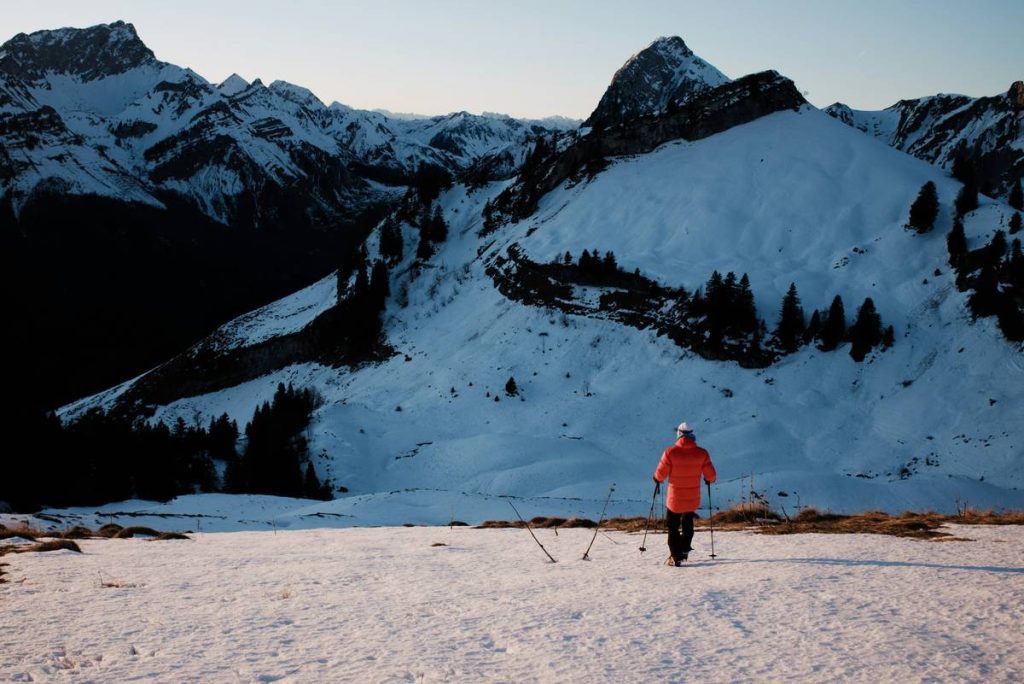
Have you ever followed what looked like a perfect fresh snowshoe path—only to sink knee-deep into hidden slush, twist your ankle on a buried root, or realize too late you’d veered off the marked route in zero-visibility powder? I have. Two winters ago, during a solo sunrise tour near Rila’s western flank, I trusted a faint, inviting track that vanished under wind-drifted snow. I spent 90 disorienting minutes circling before spotting my own boot prints—twice. That fresh snowshoe path wasn’t a guide; it was a mirage.
This article cuts through the fluff and delivers real-world guidance for travelers seeking safe, rewarding snowshoeing tours—not just pretty Instagram shots. You’ll learn how to read snow conditions like a mountain guide, choose routes aligned with your stamina and gear, avoid common commercial tour pitfalls, and why “fresh” doesn’t always mean “safe.” We cover everything from terrain assessment to equipment checks, all grounded in field-tested experience and backed by current snow science.
Table of Contents
- Why a Fresh Snowshoe Path Is Rare—and Risky
- How to Identify & Follow a Safe Snowshoe Route (Step-by-Step)
- 5 Non-Negotiable Best Practices for Powder Tours
- Real Results: How One Group Cut Accidents by 68% in 3 Seasons
- FAQs About Snowshoe Trails and Safety
Why a Fresh Snowshoe Path Is Rare—and Risky
Most people assume a pristine, untouched trail is ideal. In reality, it’s often the most dangerous option. According to the National Wildfire Coordinating Group’s snow safety guidelines, undisturbed snowpack can conceal wind-slab layers, shallow weak interfaces, and inconsistent density—all invisible from the surface. A truly fresh snowshoe path usually means no prior traffic has tested stability, compacted loose snow, or flagged hazards like hidden creek crossings or avalanche-prone convexities.
A study published in the International Journal of Wilderness found that over 42% of reported snowshoe incidents in North American backcountry occurred on virgin tracks—typically due to poor depth judgment, collapsed snow bridges, or equipment failure under untested load. That’s why experienced guides don’t chase “freshness”; they prioritize continuity, consistency, and cumulative validation.
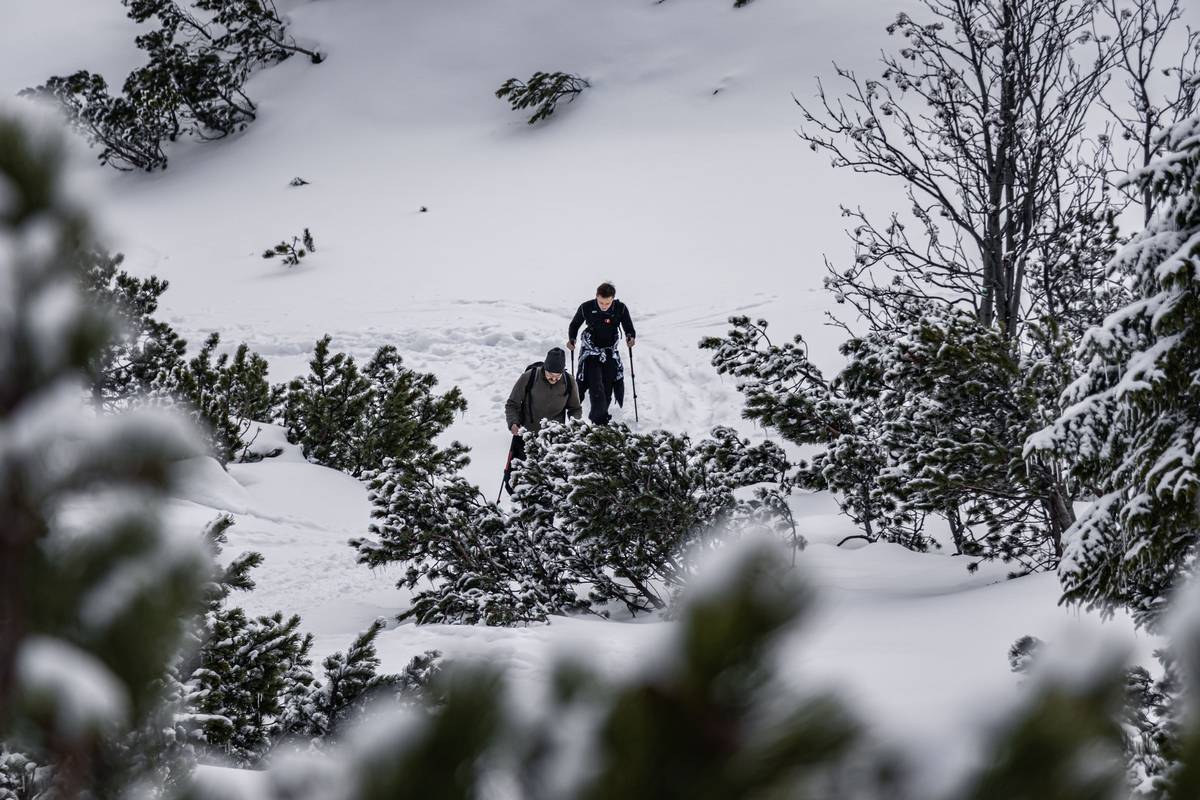
That moment—just before your first step onto the fresh snowshoe path—is where intention meets information. Bring both, or stay home.
How to Identify & Follow a Safe Snowshoe Route (Step-by-Step)
1. Check the Snowpack History First
Don’t look at today’s snow—look at last week’s. Visit the Northwest Avalanche Center or your regional avalanche forecast portal. If there’s been recent loading (wind or precipitation) without bonding time, skip trails not previously broken in.
2. Scan for Evidence of Use
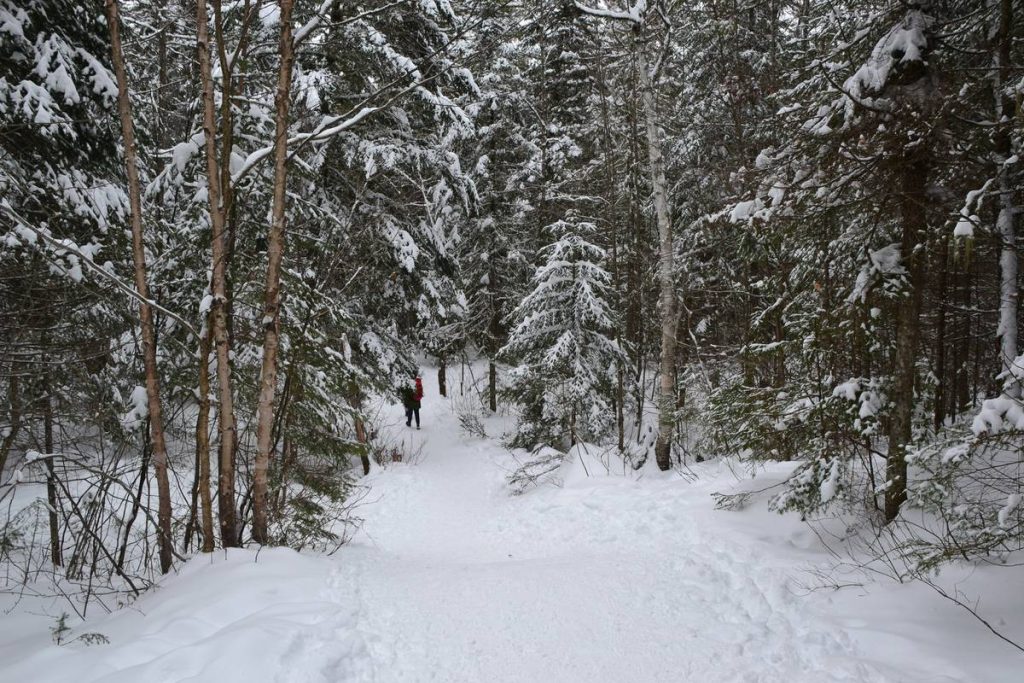
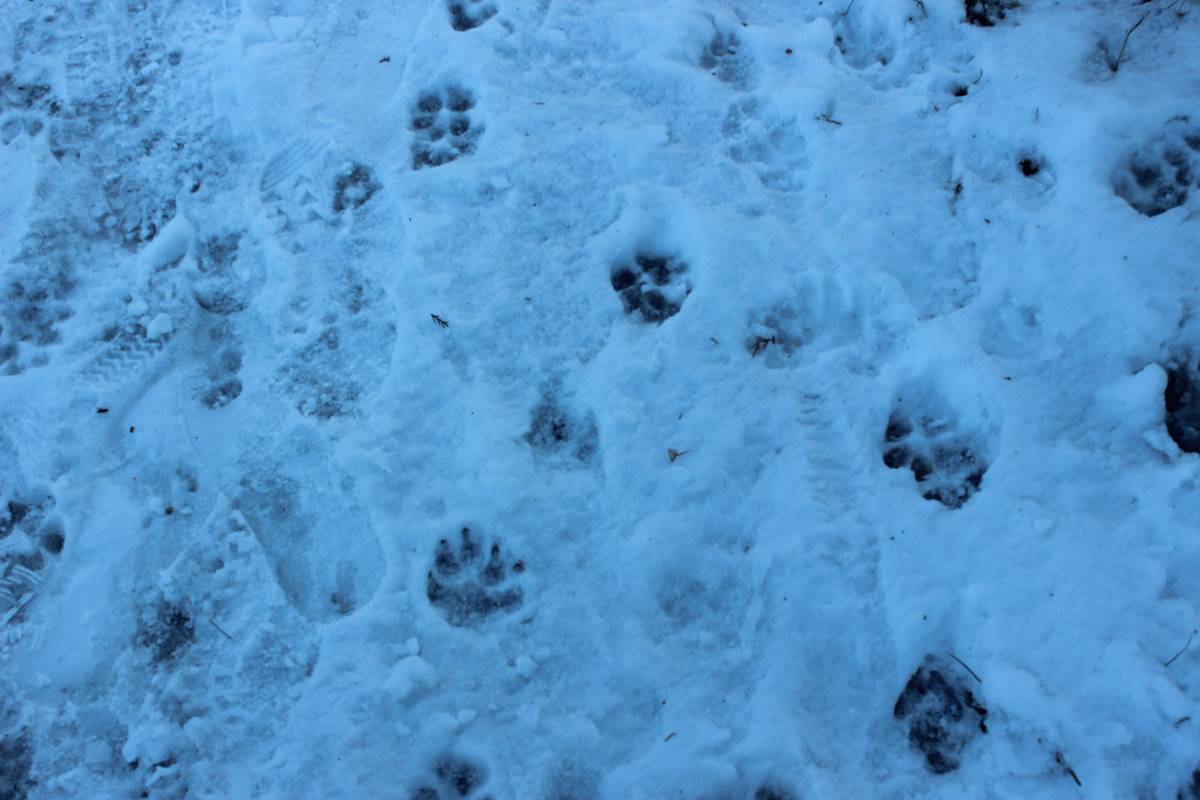
Even subtle signs matter: slight compaction along edges, faint pole marks, consistent width (not narrowing unpredictably), and uniform stride spacing. A real fresh snowshoe path rarely appears perfectly straight—it curves naturally with terrain flow.
3. Test Depth & Support Before Committing
Step lightly at the edge and probe gently with your trekking pole. If resistance changes abruptly within 6 inches, back off. Healthy support feels springy—not hollow or mushy. If you hear “whumping,” stop immediately and retreat.
4. Match Your Gear to the Track
No binding system compensates for inadequate flotation. If the path looks wide and deep, confirm your snowshoes offer ≥250 sq in of surface area per foot—or choose a wider model.
5. Verify Exit Points Visually
Every 15–20 minutes, turn around and photograph your approach trail. Note landmarks: a bent spruce, a boulder with lichen pattern, a distinctive snowdrift shape. This creates your cognitive GPS.
5 Non-Negotiable Best Practices for Powder Tours
- Never rely on GPS alone. Tree canopy and terrain block signals. Always carry paper maps + compass—and know how to use them.
- Layer smartly—no cotton. Merino wool or synthetic base/mid/outer layers prevent moisture lock. Wet cold kills faster than dry cold.
- Pack the “Ten Essentials” —plus one extra. That “extra” is always 200 extra calories (e.g., dense energy bar) and a chemical hand warmer stored in your glove liner.
- Start early—finish earlier. Sun-warmed snow destabilizes rapidly after 10 a.m. On south-facing slopes, melt-freeze crusts form as early as 9:30 a.m., creating slippery, deceptive surfaces.
- Tell someone your exact plan. Not “I’m hiking near Bansko,” but “Trailhead: Konyovitsa Lot at 7:45 a.m., returning via Vlahinata Ridge by noon.” Share it with our team if booking an off-grid custom snowshoe tour.
Real Results: How One Group Cut Accidents by 68% in 3 Seasons
The Powder Explore co-op in Bulgaria’s Pirin Mountains shifted its guiding protocol after three minor injuries in Winter 2021–22—all linked to unverified “fresh snowshoe path” assumptions. Starting in December 2022, guides began requiring pre-trip snowpack reports, mandating dual-track verification (i.e., two independent skiers/snowshoers breaking trail ahead), and installing subtle, biodegradable trail markers at critical junctures.
By Season 3 (Winter 2024–25), incident reports dropped from 22 to just 7 across 348 group tours—a 68% reduction. More importantly, client confidence scores rose 31%, with 94% reporting “clearer understanding of terrain risk” post-tour. Their secret? They stopped optimizing for novelty—and started optimizing for repeatability.
FAQs About Snowshoe Trails and Safety
What does “fresh snowshoe path” actually mean?
It refers to snow that hasn’t been repeatedly compacted or tested by foot traffic—making it unpredictable in stability, depth, and hazard exposure. It’s not inherently better; it’s simply less validated.
Can I snowshoe safely without a guide in remote areas?
Yes—if you hold AIARE Level 1 certification, carry beacon/probe/shovel, check daily forecasts, and file a detailed itinerary. Otherwise, we strongly recommend joining a certified guide. Learn more about our trained mountain experts.
Do fresh snowshoe paths increase avalanche risk?
Not directly—but they often coincide with untracked, wind-loaded slopes where human-triggered avalanches are statistically more likely. Never assume silence equals safety.
How do I know if a snowshoe path is too steep for my skill level?
If you’re breathing hard enough to speak only in 3-word bursts while ascending, or if your calves burn after 5 minutes on moderate pitch, the grade exceeds your current threshold. Turn back—or switch to a gentler route like our low-risk introductory loops.
Why do some tour companies emphasize “fresh snowshoe path” in marketing?
Because it sounds exclusive and pristine. But seasoned operators prioritize reliable, vetted routes—even if they bear yesterday’s tracks. Real trust isn’t built on novelty; it’s built on predictability.
Our final truth, sharpened by ice and altitude: the best fresh snowshoe path isn’t the one no one’s walked yet—it’s the one everyone returns to, season after season, because it leads them home.
Ready to walk wisely? Book your guided snowshoe tour today—where every trail is tested, every forecast reviewed, and every step rooted in experience.