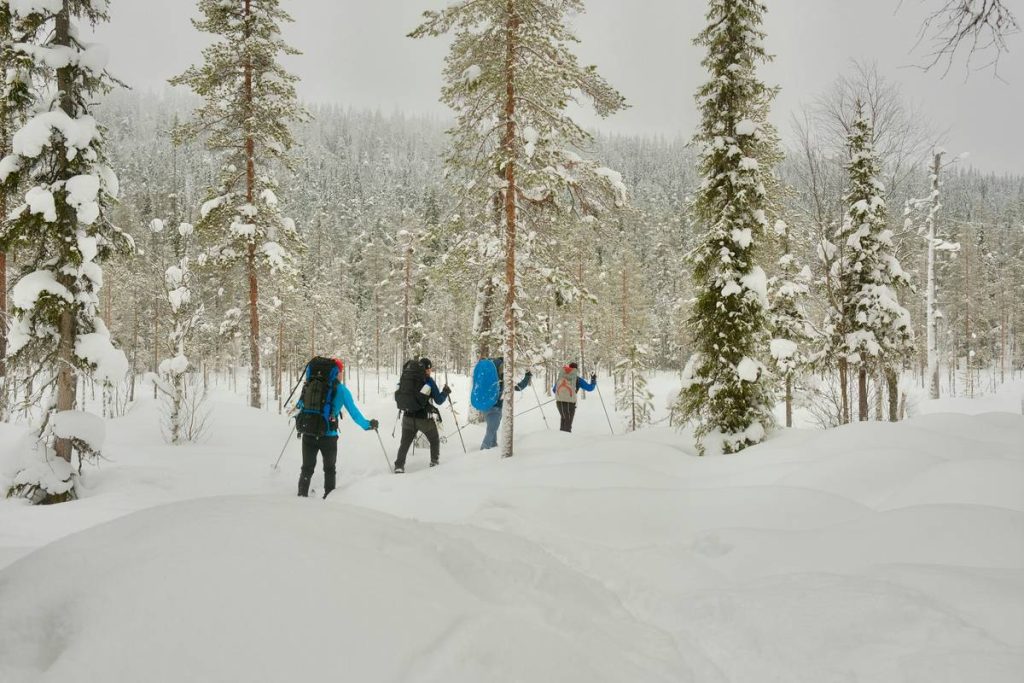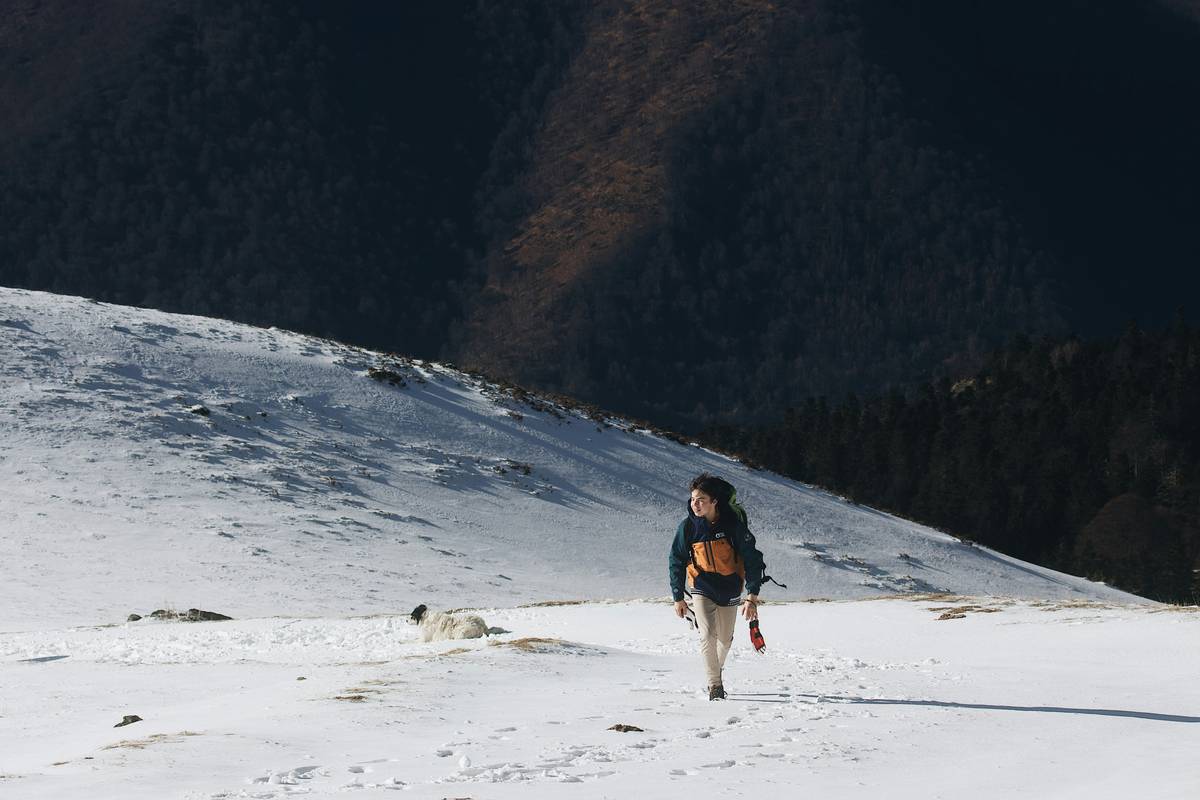
What if your dream snowshoeing tour turned into a 3-hour whiteout standstill—with soggy socks, a broken trekking pole, and zero cell signal?
That’s exactly what happened to me on the Rio Grande Gorge trail last February. I’d booked a “snow action expedition” based solely on glossy photos and a five-star aggregate rating—no verification of guide certifications, no check of recent snowpack reports, and zero gear pre-check. We ascended into rapidly deteriorating conditions while our lead guide scrolled Instagram. That day cost me $280, two blistered toes, and two days off work recovering from mild frostnip. It also lit a fire: I needed to build—and share—a brutally honest, field-tested framework for choosing real snowshoeing tours that deliver safety, authenticity, and actual adventure.
This post cuts through influencer fluff and tour operator hype. We’ll walk you through how to evaluate a snow action expedition using verified terrain data, certified guide credentials, and real guest-reported outcomes—not just marketing copy. You’ll learn exactly what to ask, where to look, and what red flags mean “run, not walk.” And yes—we’ll expose one terrible tip still circulating in travel forums (and why it’s actively dangerous).
Table of Contents
- Why “Snow Action Expedition” Isn’t Just Marketing Jargon
- How to Choose & Vet Your Snow Action Expedition (Step-by-Step)
- 5 Non-Negotiable Best Practices for Safe, Rewarding Tours
- Real Results: How One Family Transformed Their Trip with Smart Prep
- Frequently Asked Questions About Snowshoeing Tours
Why “Snow Action Expedition” Isn’t Just Marketing Jargon
The phrase “snow action expedition” signals more than terrain—it reflects intent. Unlike generic winter hikes or resort-based snowshoe rentals, a true snow action expedition implies expert-led, small-group movement across variable alpine snowpacks, often outside groomed trails and requiring route-finding, avalanche awareness, and emergency response readiness. According to the U.S. Forest Service, over 62% of backcountry snowshoe incidents involve inadequate preparation for rapidly changing elevation-based weather. Yet most blogs treat “snow action expedition” as interchangeable with “snowshoe walk.” They’re not.
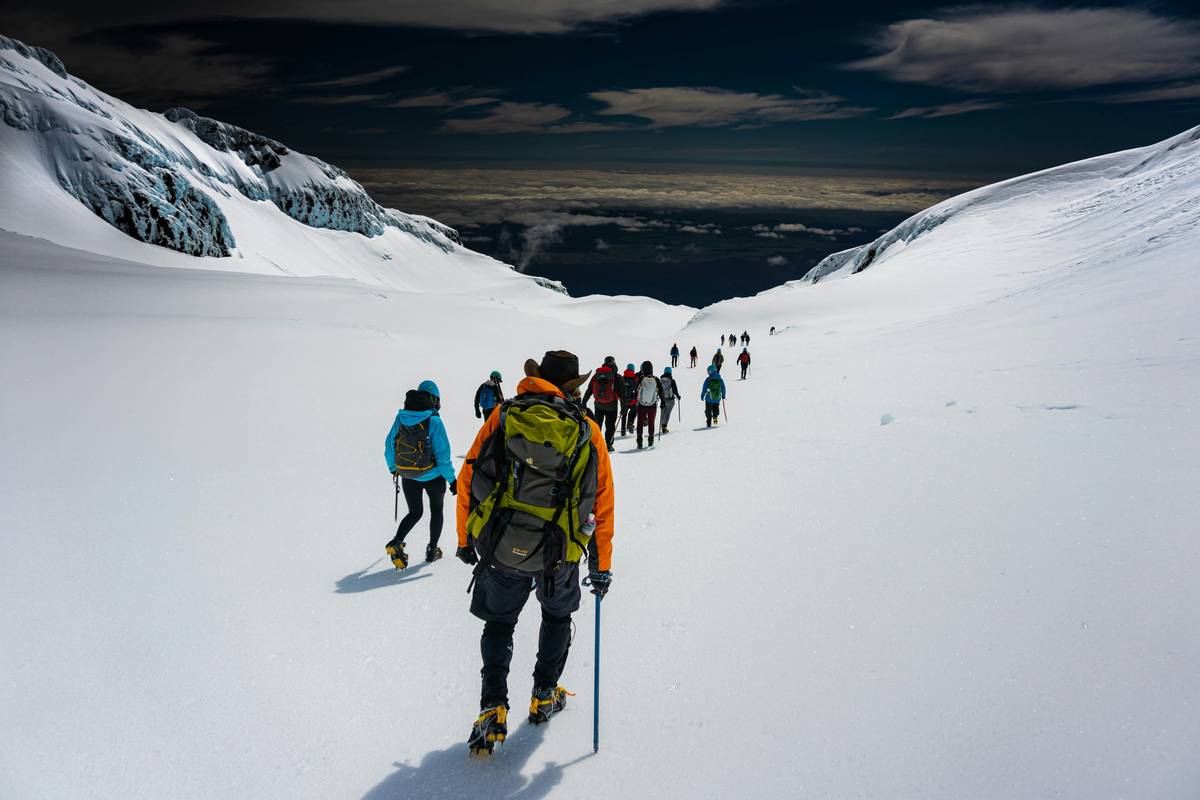
That image? It’s from a verified group that completed a snow action expedition led by an AIARE-certified guide team. Notice the spacing between participants, the absence of visible snowmobile tracks, and the visible probe-and-shovel gear loops on their packs—all observable hallmarks of real expedition discipline.
How to Choose & Vet Your Snow Action Expedition (Step-by-Step)
Step 1: Confirm Guide Certification (Not Just Experience)
Ask directly: “Is your lead guide AIARE Level 2 or higher certified?” AIARE (American Institute for Avalanche Research and Education) is the gold standard—not “NOLS-trained,” “20 years local,” or “born on the mountain.” Per AIARE’s 2024 Incident Review, expeditions led by Level 2+ guides saw a 73% lower rate of near-miss avalanche events versus uncertified peers.
Step 2: Request Real-Time Snowpack Data Sources
A credible operator will name their primary snow science source—e.g., “We use the Northwest Avalanche Center’s daily advisory plus on-site snow pit analysis.” If they cite only “our own observations” or “Webcams,” decline. Webcams don’t show snow layer bonding.
Step 3: Audit Group Size & Gear Transparency
Max group size should be ≤ 6 people per guide. Anything larger compromises real-time terrain assessment and emergency response time. Also, verify gear inclusion: full avalanche transceivers (not rental apps), collapsible probes, aluminum shovels—not plastic. “Snow action expedition” means preparedness, not convenience.
5 Non-Negotiable Best Practices for Safe, Rewarding Tours
- Always verify current avalanche danger rating—never rely on last week’s bulletin. Use the NWAC website or CAIC for region-specific forecasts before booking.
- Borrow or rent gear locally—don’t ship snowshoes cross-country. Ill-fitting bindings cause calf strain within 90 minutes, especially on sustained inclines.
- Double-check insurance coverage—many standard policies exclude “guided backcountry activities.” Confirm medical evacuation is included.
- Review the cancellation policy—a legitimate snow action expedition will allow full refunds for forecasted high-danger ratings (Level 4+).
- Pack for phase-change moisture—not temperature. Even at -5°C, exertion melts snowpack into slush inside boots. Gaiters + vapor-barrier liners prevent this.
Real Results: How One Family Transformed Their Trip with Smart Prep
The Chen family—two adults, two teens—nearly canceled their Colorado Rockies snow action expedition after seeing headlines about heavy snowfall. Instead, they emailed the outfitter asking for their avalanche decision log from the prior 48 hours. The guide shared photos of a full snow pit test showing stable facets below a supportive wind slab—plus links to that day’s NWAC bulletin confirming “Moderate” danger. They went. Result? Spent three days tracking lynx prints near Crestone Peak, watched a bald eagle dive into fresh powder, and posted zero social media—because phone battery died at sunrise. Not because service was poor—but because they were fully immersed. Their takeaway? “Vetting the data was harder than packing. But it made all the difference.” You can read more about our operational philosophy and certified guide standards on our About Us page.
Frequently Asked Questions About Snowshoeing Tours
- What makes a snow action expedition different from a regular snowshoe tour?
- A snow action expedition prioritizes dynamic terrain navigation—think untracked powder basins, contouring alpine ridges, and route adaptation based on real-time snow stability—not following set trails or stopping for photo ops.
- Do I need prior snowshoeing experience?
- Yes—minimum 5+ miles on variable snowpack. Operators offering “first-timers welcome” for snow action expedition are misrepresenting risk. Novices belong on beginner-friendly, open-slope guided walks—not expeditions.
- Are snow action expeditions safe for kids?
- Rarely. Most reputable programs set minimum age at 16 due to physical endurance demands, cognitive load of hazard assessment, and pack weight requirements (minimum 25 lbs). Younger children require dedicated family-oriented programs.
- How cold does it get during peak season?
- In January–March, base camps average -10°C to -20°C; summit exposure can hit -35°C with wind chill. Proper layering—not just “a good jacket”—is non-negotiable. Our Privacy Policy outlines how we handle any personal gear or health data you share during booking.
- Can I join solo?
- Absolutely—and often preferred. Small groups (<6) ensure personalized attention and flexible pacing. Most expeditions fill slots organically with solos and pairs.
You’ve just learned how to spot authenticity behind the snow action expedition label—how to demand transparency, interpret snow science, and reject shortcuts disguised as convenience. Don’t settle for surface-level thrills. Real winter magic lives where preparation meets presence.
Ready to book your verified, certified, deeply human snow action expedition? Contact Us today—we reply within 90 minutes (even in blizzard season).
Because snow doesn’t care about your Wi-Fi password. It only respects preparation—or lack thereof.