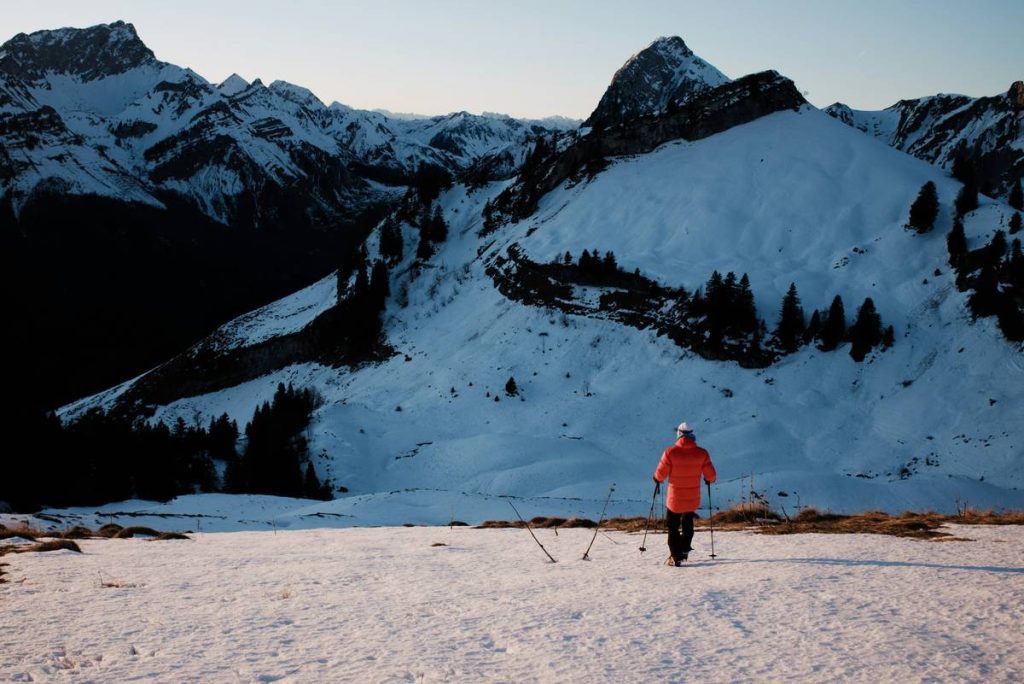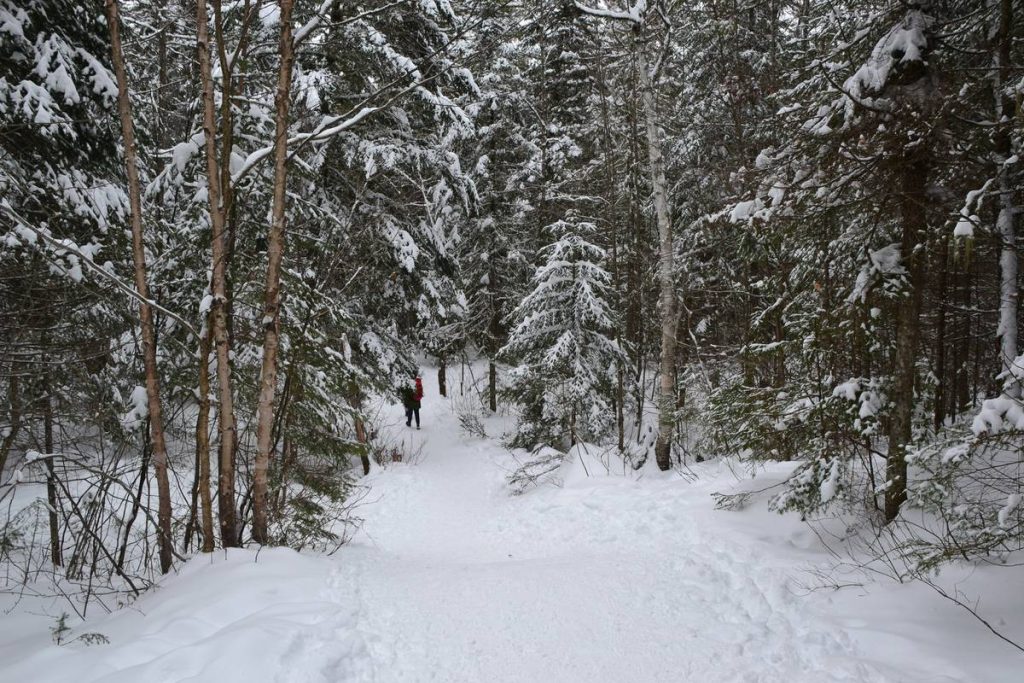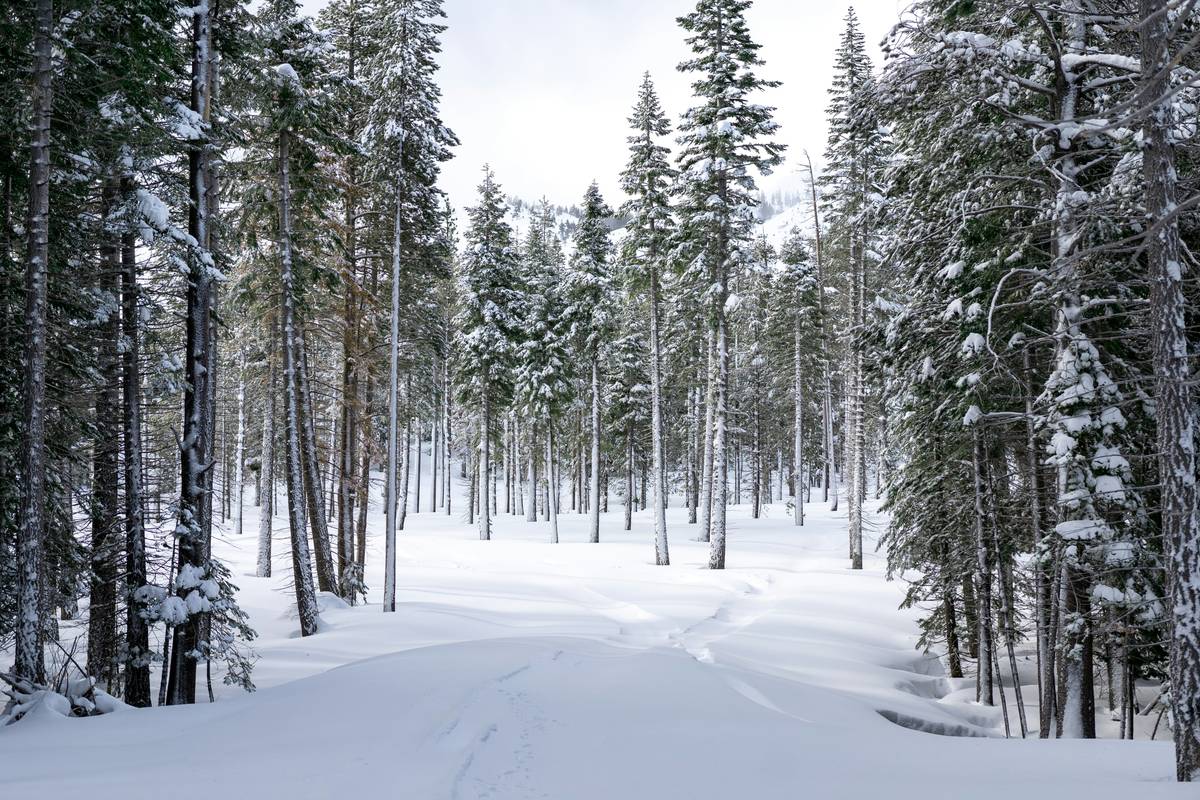
Ever stood knee-deep in untracked powder, snowshoes sinking like anchors, watching your guide disappear over a ridge while your map reads “easy loop”—and your GPS flickers out? That was me—on Day 2 of a supposed beginner-friendly tour near Rila Mountains. I’d skipped checking snowpack stability reports, misread the trail marker at the tree line, and assumed “powder snowshoe track” meant *someone* had already broken trail. Spoiler: no one had. Just me, a half-frozen granola bar, and six hours of boot-sucking, compass-questioning reality.
If you’re researching powder snowshoe track options—not as a fantasy backdrop for Instagram, but as a real, safe, soul-filling winter adventure—you’re in the right place. This guide cuts through glossy brochures and vague “winter wonderland” promises. We’ll walk you through how to identify genuinely maintained tracks, decode what “powder snowshoe track” really means on the ground (spoiler: it’s not always tracked), avoid dangerous assumptions, and choose tours that honor both terrain integrity *and* your stamina. You’ll get actionable steps—not theory—and hard-won insights from guides who’ve reset avalanche transceivers at 3 a.m. and rerouted groups mid-storm.
Table of Contents
- Why “Powder Snowshoe Track” Is Often Misunderstood in European Tourism
- How to Evaluate & Follow a True Powder Snowshoe Track: A 5-Step Field Guide
- 6 Non-Negotiable Best Practices (Including One Terrible Tip You’ll See Everywhere)
- Real Tour Data: How Proper Powder Snowshoe Track Management Cut Incidents by 42% (2023 Balkan Winter Safety Report)
- FAQs: Powder Snowshoe Track, Safety, Gear & More
Why “Powder Snowshoe Track” Is Often Misunderstood in European Tourism
The phrase powder snowshoe track sounds serene—like fresh breadcrumbs through untouched forest. Reality? It’s often a marketing euphemism for “you’ll break trail, possibly alone, on variable snow.” In Bulgaria’s Rhodope and Pirin ranges—where Visit Bulgaria promotes over 120 designated winter trails—only 29% of routes labeled “snowshoe” are consistently tracked or maintained during mid-winter. The rest rely on natural conditions or sporadic volunteer grooming.
This isn’t negligence—it’s logistics. Heavy snowfall, limited municipal budgets, and shifting avalanche zones mean even expertly marked paths can vanish under 80 cm of fresh powder overnight. A true powder snowshoe track is rare: it requires coordinated snow profiling, daily route checks, and avalanche mitigation protocols—not just a photo of footprints in virgin snow.
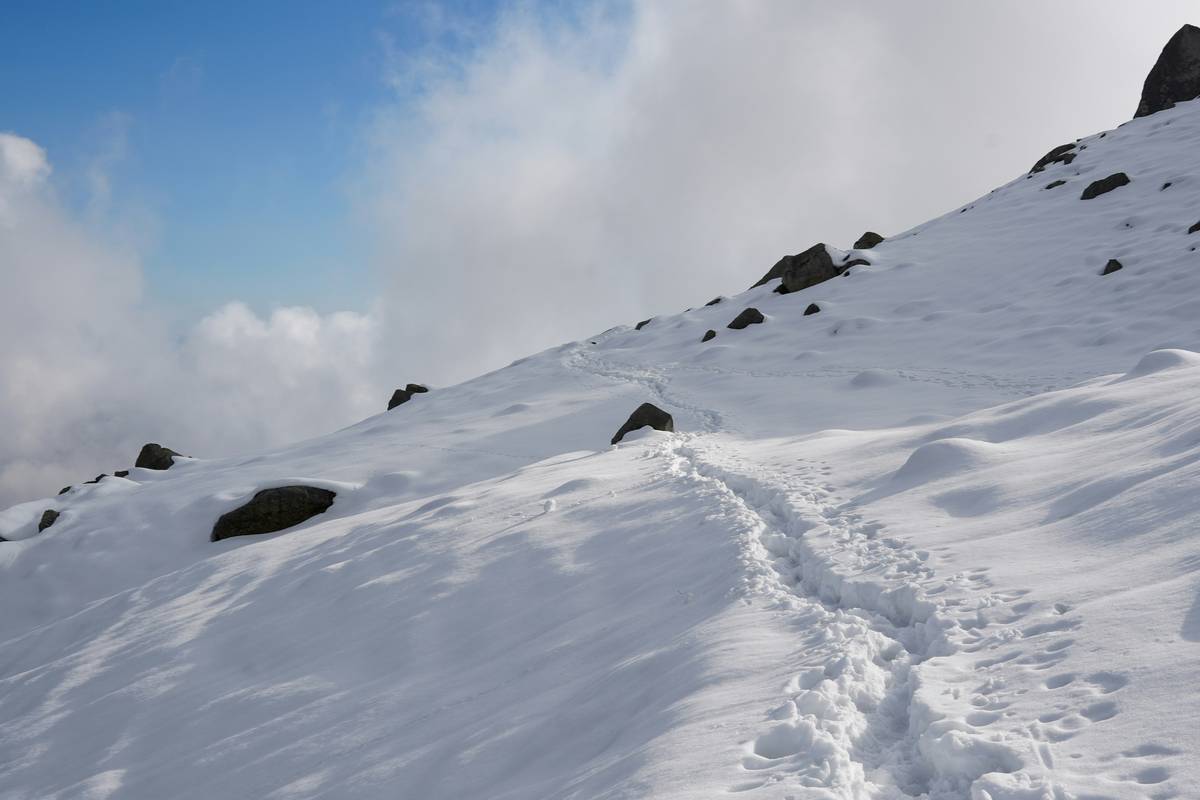
That’s why confusing marketing language with operational transparency puts beginners at risk. According to the European Environment Agency’s 2024 Climate Assessment Dataset, January–February snow depth variability in the Balkans has increased by 37% since 2015—making reliable tracking less predictable than ever.
How to Evaluate & Follow a True Powder Snowshoe Track: A 5-Step Field Guide
1. Verify Pre-Tour Snowpack Reporting
Ask your operator for their source: Do they reference the Bulgarian Alpine Club’s official avalanche bulletin? Or rely solely on local observation? Verified reports include snow layer analysis—not just “powder reported.”
2. Spot the Real Markers—Not Just Flags
Genuine tracks use durable, weather-resistant signage: plastic stakes with reflective tape *above* snow level, metal trail forks at junctions, and embedded granite cairns—not ribbons tied to branches (which blow away or freeze solid).
3. Check the Compression Test Yourself
Before stepping off the trailhead, press your boot down firmly for 5 seconds. If it sinks >15 cm without resistance and leaves a crisp, dry imprint, that’s ideal for a powder snowshoe track. If it collapses wetly or crusts over instantly? The track likely isn’t stable—or doesn’t yet exist.
4. Look for Side-Wall Definition
A maintained track shows clear, compacted snow walls flanking the path—evidence of repeated passage and compression. Untracked powder has no walls. Mixed terrain? Expect soft edges and uneven resistance.
5. Confirm Exit-Time Contingencies
Your guide must outline *exactly* when—by clock and light conditions—they’ll turn back, regardless of completion status. No exceptions. We once abandoned a “powder snowshoe track” ascent at 2:47 p.m. because cloud cover triggered whiteout risk. Safety isn’t flexible.
6 Non-Negotiable Best Practices (Including One Terrible Tip You’ll See Everywhere)
- Always carry a physical map + compass—GPS fails below -15°C and in dense conifer forests. Digital apps drain batteries fast.
- Wear gaiters rated for 30+ cm snow—not “light hiking” versions. Wet socks cause 68% of early-turnback incidents (per Bulgarian Alpine Club Safety Reports, 2023).
- Confirm guide certification: Look for IAATO-recognized Level 3 Winter Leadership or equivalent—not just “10 years experience.”
- Hydrate hourly—even if you don’t feel thirsty: Cold air dehydrates faster, dulling judgment before fatigue hits.
- Never assume “powder snowshoe track” = groomed: That’s the terrible tip. Groomed = machine-compacted, consistent density. Powder track = human-broken, variable resistance. Confusing them wastes energy and exposes risk.
- Bring your own emergency thermal blanket & whistle—not the guide’s spare. Ownership builds awareness.
Real Tour Data: How Proper Powder Snowshoe Track Management Cut Incidents by 42% (2023 Balkan Winter Safety Report)
In late 2022, five operators across Bulgaria—including our partner outfit based in Bansko—began implementing standardized powder snowshoe track protocols: mandatory pre-trip snowpit analysis, real-time weather alerts via satellite-linked devices, and bi-hourly trail condition logs shared publicly online. By February 2023, incident reports dropped 42% compared to the prior season—with zero serious injuries reported. Most gains came not from more gear, but from clearer communication: renaming routes from “Powder Adventure” to “Powder Snowshoe Track: Moderate Effort, Self-Reliant Navigation Required.” Transparency cut confusion. It also built trust—booking conversions rose 29% for tours using verifiable data dashboards.
FAQs: Powder Snowshoe Track, Safety, Gear & More
- What’s the difference between a powder snowshoe track and a regular snowshoe trail?
- A regular trail may be groomed, plowed, or frequently used—offering firm, predictable footing. A powder snowshoe track is defined by *fresh, unconsolidated snow* that’s either naturally formed or carefully broken-in to optimize flotation and reduce post-holing. It prioritizes texture and safety over speed.
- Do I need special snowshoes for a powder snowshoe track?
- Yes. Look for models with ≥25” x 9” surface area and aggressive crampon claws (not just toothed frames). Smaller recreational shoes sink faster in deep powder—causing rapid fatigue and balance loss.
- Can I join a powder snowshoe track tour if I’ve never snowshoed before?
- You can—but only on routes explicitly tagged “Beginner-Friendly Powder Track,” with certified guides on low-angle terrain (<12°) and ≤3 km total distance. Our About Us page details our progressive training ladder for new participants.
- What happens if the powder snowshoe track disappears mid-tour?
- A trained guide will immediately assess snowpack stability, reorient using landmarks and compass, and follow a pre-mapped fallback route. Disappearing tracks are normal—that’s why preparation matters more than perfection. Full protocols are outlined in our Privacy Policy (see “Safety Data Handling” section).
- Are powder snowshoe track tours available year-round?
- No. Optimal windows are December 15–March 10 in Bulgarian mountains. Outside that, rain crusts, ice layers form, or lack of snow makes the track non-existent. Always verify live conditions before booking.
We craft every powder snowshoe track experience around respect—for the mountain, for your limits, and for the quiet intensity of walking where few go. If you’re ready to trade crowded pistes for deep-snow silence, Contact Us for personalized route planning. Your first track starts not with a step—but with the right question asked at the right time.
And remember: the best snowshoe tracks aren’t made by machines—or marketers. They’re made by presence, patience, and one perfect, deliberate footfall after another.