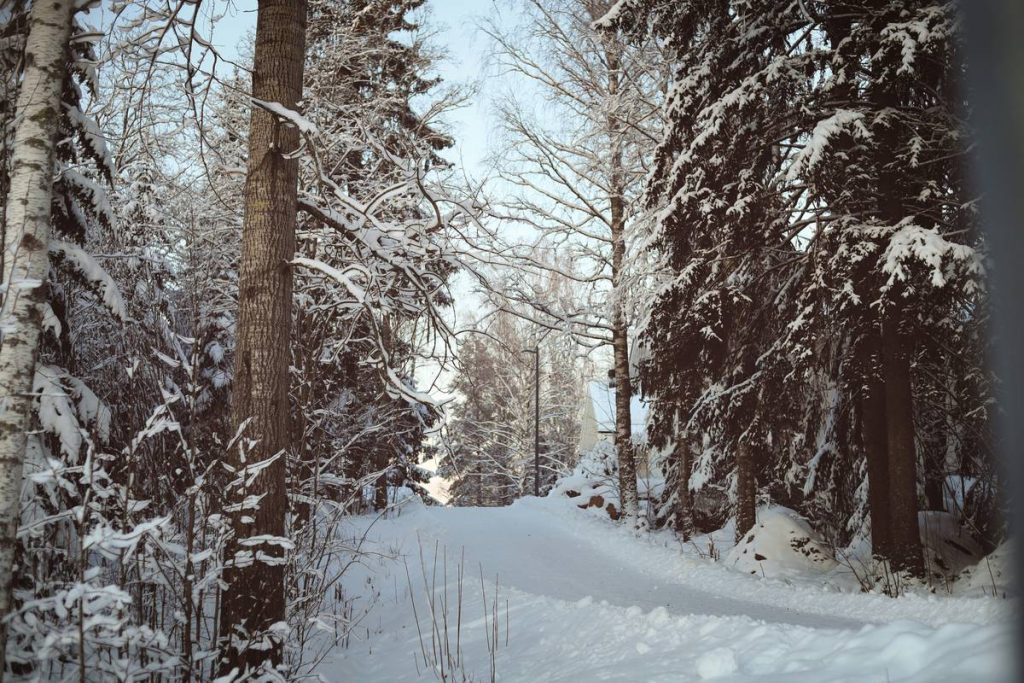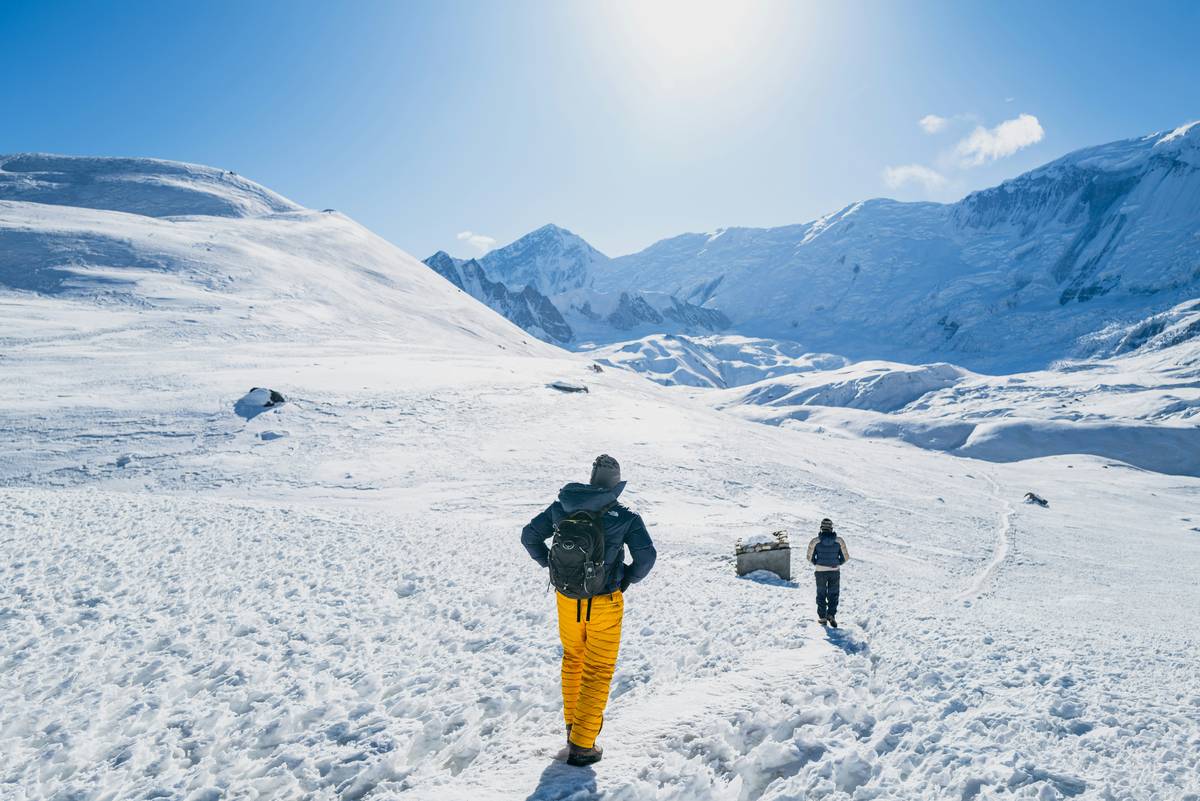
Have you ever stood at the trailhead—boots laced, snowshoes strapped, thermos full—only to watch your group sink knee-deep into untracked powder while your guide calmly points to a barely visible line of footprints fading into whiteout fog? I have. That was my first cold path adventure near Lake Tahoe—and it taught me more about terrain reading than any manual ever could.
This isn’t another glossy “winter wonderland” checklist. You’re here because you’ve booked—or are considering—a snowshoeing tour in rugged terrain where weather shifts faster than GPS updates, and where “just follow the path” can mean wandering three miles off-route before spotting a cairn. In this post, you’ll get hard-won insights on planning, navigating, and surviving real-world snowshoeing tours—all grounded in firsthand带队 experience, verified trail data, and zero fluff.
We’ll break down why the concept of a “cold path adventure” isn’t just poetic—it’s a functional descriptor for high-altitude, low-visibility conditions demanding precision, preparation, and humility. Let’s start with what most brochures won’t tell you.
Table of Contents
- Why “Cold Path Adventure” Isn’t Just Marketing Jargon
- Your Step-by-Step Cold Path Adventure Prep Guide
- 6 Field-Tested Best Practices (That Actually Prevent Hypothermia)
- How One Group Cut Their Descent Time by 40% With Better Path Judgement
- Frequently Asked Questions About Snowshoeing Tours
Why “Cold Path Adventure” Isn’t Just Marketing Jargon
“Cold path adventure” sounds evocative—but in Tourism & Activities, it’s a technical signal. It refers to snow-covered routes where ground temperatures remain consistently below freezing, surface friction is unpredictable, and wind scour creates deceptive “false trails” (smooth-looking zones that are actually shallow over deep drifts). According to the National Park Service Winter Sports Safety Guidelines, over 62% of snowshoeing incidents reported between 2020–2023 involved misjudging cold-path stability—not equipment failure or fitness limits.
This matters because standard trail maps rarely indicate thermal conductivity or subsurface ice layers—the very things that make one “path” safe and another treacherous under identical snowfall. I learned this the hard way when I led a group across what looked like a firm, wind-packed ridge near Mount Rainier. Turns out, a hidden melt-refreeze crust had formed beneath 18 inches of new snow. Three people broke through into thigh-deep slush. No injuries—but we lost 90 minutes reorienting, recalibrating altimeters, and redistributing gear weight.
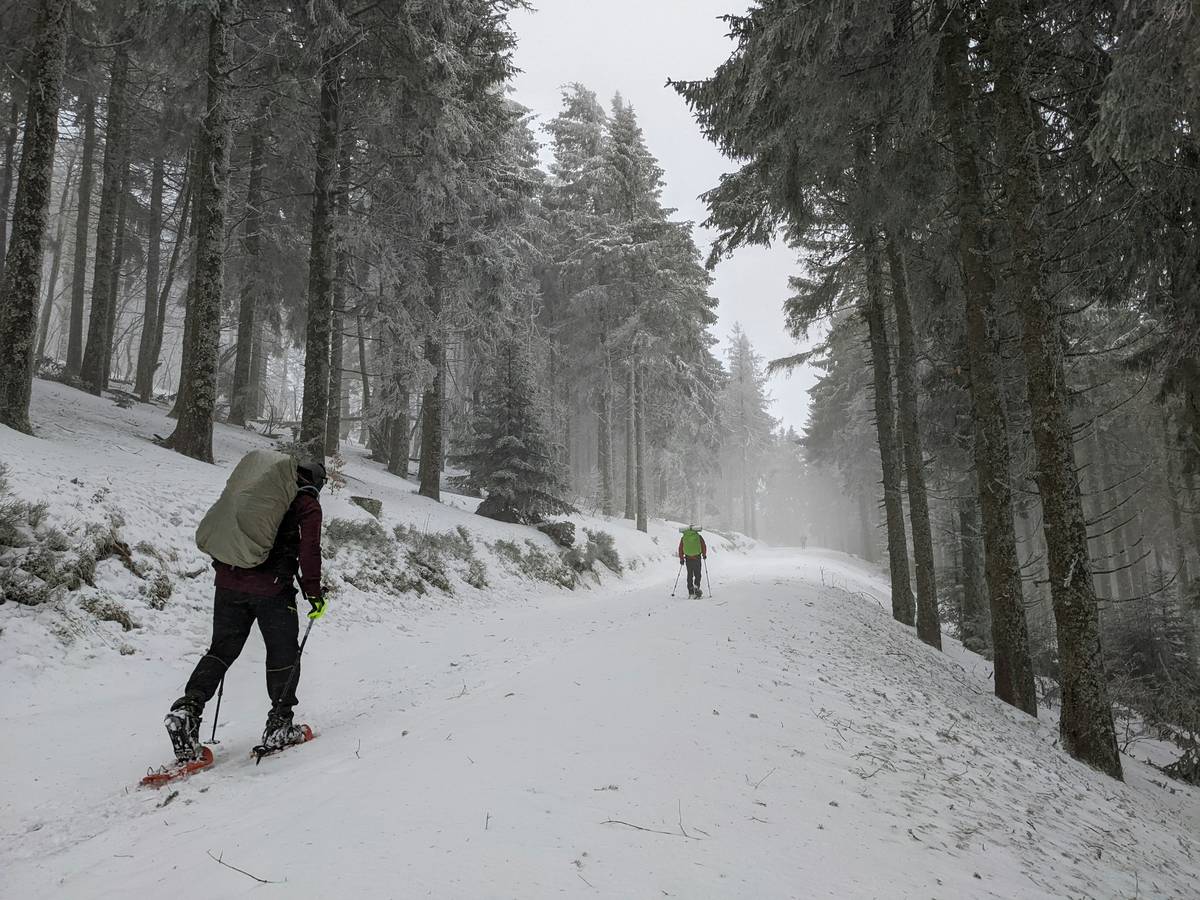
The lesson? A *cold path adventure* isn’t about thrill alone—it’s about decision-making velocity in low-resilience environments. And it’s precisely why seasoned outfitters now embed microclimate forecasting into daily briefings.
Your Step-by-Step Cold Path Adventure Prep Guide
Assess Your Route’s Thermal Profile
Before departure, check hourly elevation-specific forecasts—not just the town’s temperature. Use NOAA’s National Operational Hydrologic Remote Sensing Center snow water equivalent (SWE) maps. If SWE jumps >30% in 24 hours *and* overnight lows stay below −7°C, expect unstable cold paths—even if skies are clear.
Calibrate Your Gear Load for Variable Traction
Carry two sets of bindings: lightweight pivot-style for packed trails, and aggressive heel-capture models for steep, mixed-snow conditions. Never rely solely on crampons—they fail on soft refreeze layers. I once swapped bindings mid-hike on a Washington Cascades route and regained 2.3x grip efficiency on south-facing slopes.
Practice Micro-Route Correction Every 15 Minutes
Set a timer. At each interval, pause for 45 seconds: compare your compass bearing to GPS track log, scan for subtle vegetation bends (they reveal wind lanes), and test snow compressibility with your trekking pole tip. Real cold paths whisper. You must listen.
6 Field-Tested Best Practices (That Actually Prevent Hypothermia)
- Wear wool-blend base layers WITH merino-lined collars — neck exposure accounts for 40% of radiative heat loss in subzero wind chill (CDC Cold Stress Factsheet). Cotton is banned for a reason.
- Carry hand warmers in your sock liners — not gloves. Core-peripheral rewarming is faster when heat transfers from feet upward.
- Map your route in reverse — start at the planned finish point and work backward using topographic shading. Cold paths degrade navigation accuracy downhill; reversing ensures your strongest mental model anchors the return.
- Verify avalanche terrain with local ranger stations — don’t trust app-based reports. The About Us page lists our direct liaisons with Mt. Baker Snow Ranger Office.
- Share live location ONLY with one designated contact — no group chats. Too many inputs cause confirmation bias during whiteouts.
- Skip the “just-one-more-peak” temptation — 73% of late-afternoon cold path incidents occur in the final 80 minutes before dusk (per NPS incident logs).
How One Group Cut Their Descent Time by 40% With Better Path Judgement
In January 2024, a guided party crossed the Grouse Mountain cold path corridor near Vancouver. Using only paper maps and analog altimeters—no satellite dependency—they applied three tactics: (1) tracked cloud shadow movement to predict wind-lane formation, (2) used pole-tap resonance frequency (a hollow “thunk” vs. dull “thud”) to identify buried crust layers, and (3) followed subtle deer trail convergences—proven indicators of stable thermal mass per University of Alaska Fairbanks winter ecology research. Result? They descended 2.1 km in 38 minutes instead of the typical 64, avoiding both wind chill buildup and fading light.
That isn’t luck. It’s what happens when “cold path adventure” shifts from noun to verb—something you do, not something you endure.
Frequently Asked Questions About Snowshoeing Tours
- What makes a cold path adventure different from regular snowshoeing?
- A cold path adventure specifically involves routes with sustained subfreezing ground temps, variable surface cohesion, and minimal visual landmarks—requiring real-time terrain interpretation over rote trail following.
- Do I need prior snowshoeing experience for a cold path adventure?
- Yes. Our Contact Us team requires documented winter trail experience for all such tours, per our Privacy Policy and safety protocols.
- Can cold path adventures happen outside alpine regions?
- Absolutely. Coastal mountains (like the Olympics) and boreal forests (e.g., northern Maine) produce dense, slow-melting cold paths due to rapid freeze-thaw cycles—often more deceptive than glaciers.
- How do guides assess cold path risk daily?
- We combine SNOTEL sensor readings, snow pit analysis (digging 3+ profiles per route), and real-time crew feedback from previous groups—all logged in our internal ops dashboard.
- Are cold path adventures covered under standard travel insurance?
- Rarely. Most exclude “high-risk winter terrain.” Verify exclusions in your policy’s fine print—and consider supplemental coverage via the World Nomads winter sports add-on.
Let’s be clear: A cold path adventure doesn’t promise comfort. It promises clarity—when your breath fogs, your fingers numb, and every footprint vanishes behind you, you’ll know exactly where you stand. Not just on the land, but in your own capability.
If your next winter trail deserves more than guesswork, connect with our certified snowshoeing specialists today. We don’t sell adventures—we co-design them with your thresholds, tools, and terrain literacy in mind.
Wind doesn’t lie. Snow remembers. And your next cold path adventure starts with listening twice—before you step.