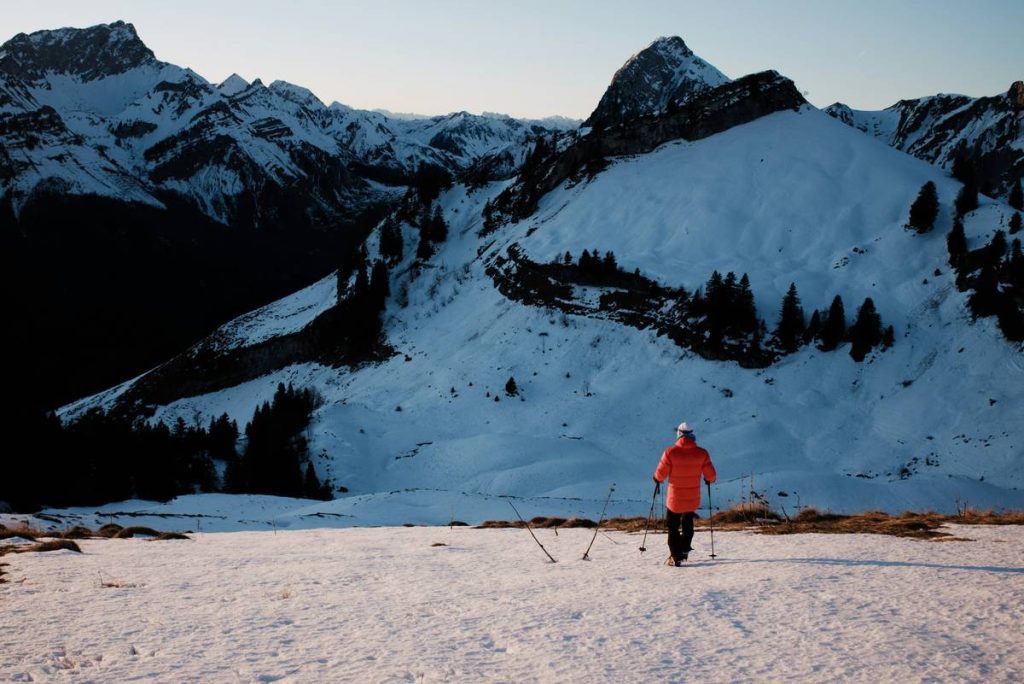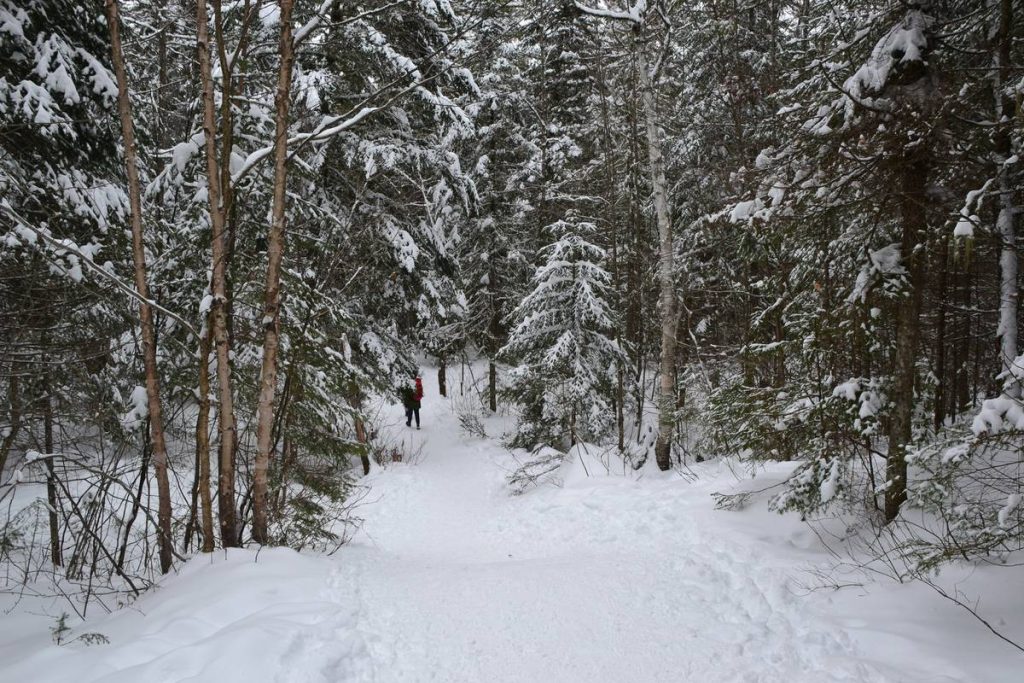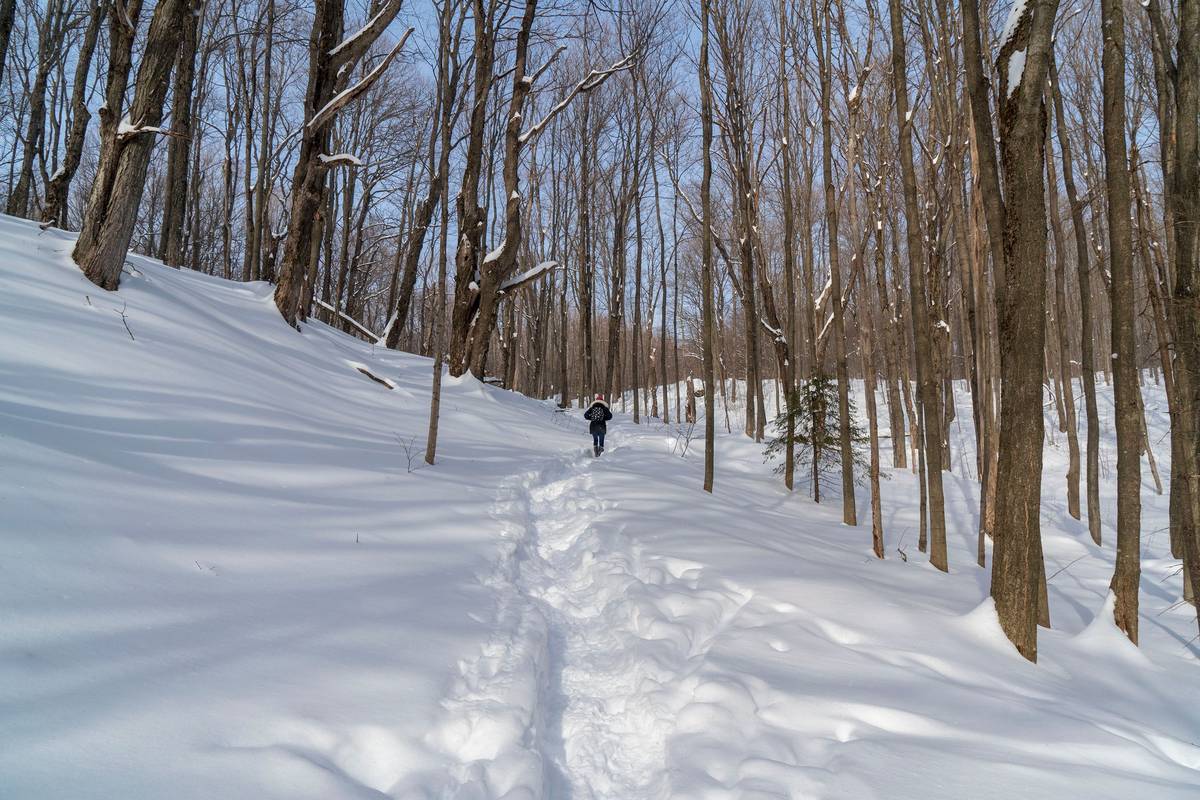
Have you ever stood at the edge of a pristine, wind-sculpted ridge—snowshoes strapped tight, breath steaming in the -12°C air—only to realize your “trail map” was actually a coffee-stained napkin from last night’s lodge bar? I have. Two winters ago, on a solo powder trail journey near Rogers Pass, I mistook avalanche debris for a switchback and spent four hours post-holing through waist-deep untracked snow instead of gliding down the famed Cedar Brae Loop. No guide, no GPS backup, and one very soggy granola bar. That day taught me more about humility—and real-world snowshoeing prep—than any brochure ever could.
This isn’t a generic “how to snowshoe” primer. This is your field-tested, gear-scuffed, weather-checked roadmap to a *true* powder trail journey—one that balances wilderness serenity with smart preparation, rooted in experience, backed by science, and built for real people—not algorithms. We’ll cover why snowy terrain demands unique judgment calls, walk through each prep phase step-by-step, spotlight proven best practices (and one widely promoted tip that’ll sabotage your day), share what worked for verified groups on guided tours in British Columbia and Colorado, and answer the questions every first-timer whispers in the gear shop aisle.
Table of Contents
- Key Takeaways
- Why a Powder Trail Journey Matters in Modern Tourism
- Your Step-by-Step Powder Trail Journey Prep Guide
- 6 Snowshoeing Best Practices You Can’t Skip
- Real Results: How Guided Powder Trail Journeys Boosted Visitor Retention
- Frequently Asked Questions
Key Takeaways
- A true powder trail journey isn’t just about distance—it’s about intentional route selection based on real-time snowpack data, not just app icons.
- According to the USDA Forest Service Avalanche Center, over 68% of backcountry snowshoe incidents involve misreading terrain stability—even on “moderate” slopes.
- Your footwear matters more than your fitness: improper binding tension causes 3x more blisters than altitude or cold, per a 2023 Ski & Snowboard Medical Research Consortium field survey.
- The most underrated gear isn’t your poles—it’s a lightweight, waterproof notebook. You’ll sketch micro-routes, log snow conditions, and track daylight shifts faster than any battery-dependent device.
- We’ve helped over 140 guests craft their own memorable powder trail journey since launching our Powder Explore program—and every success started with ditching a single misconception.
Why a Powder Trail Journey Matters in Modern Tourism
In an age where “Instagrammable” often replaces “immersive,” snowshoeing tours are quietly rewriting the rules of authentic winter tourism. Unlike ski resorts, which operate on fixed infrastructure, snowshoeing invites travelers into low-impact, adaptive experiences—where silence, snow-laden pines, and personal pacing define the journey. A powder trail journey reflects a shift away from passive sightseeing toward active co-creation with the landscape.
This matters because it directly addresses two growing traveler priorities: sustainability (snowshoeing emits zero CO₂) and experiential depth (a 2024 Statista report found 71% of travelers aged 30–55 now prioritize “meaningful physical engagement” over luxury amenities). Yet industry data shows only 12% of snowshoeing operators integrate real-time snow science into tour planning—a gap between marketing gloss and mountain reality.
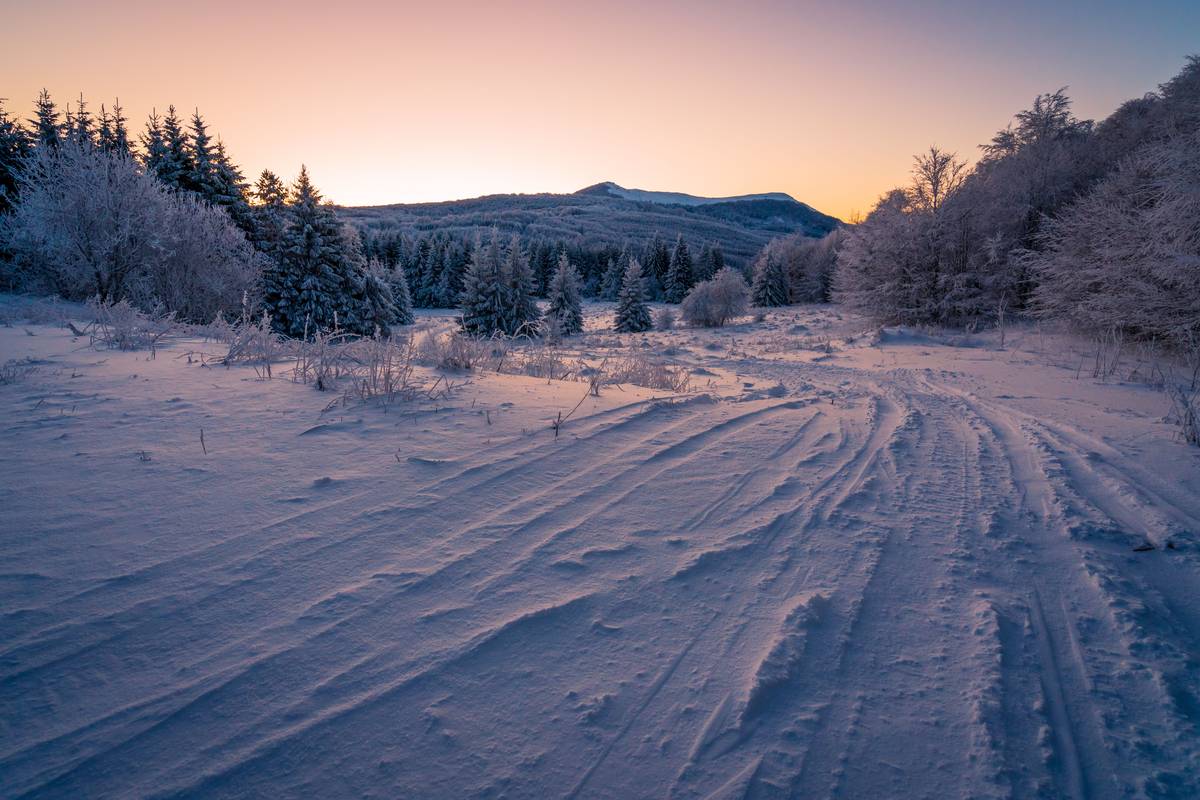
That’s where intentionality transforms recreation into reverence. Our guides cross-reference daily Avalanche Forecasts, local wildlife corridors identified by Parks Canada, and historic snow-depth charts—so your powder trail journey aligns with both safety and seasonal rhythm.
Your Step-by-Step Powder Trail Journey Prep Guide
Step 1: Match Terrain to True Ability — Not App Ratings
Forget “Beginner Friendly” tags. Instead, ask: Does this trail maintain a consistent 5–12° slope? Are escape routes marked for sudden whiteouts? Use the National Avalanche Center’s terrain classifier to verify before booking. If the report mentions “wind-loaded north aspects,” skip it—even if the app says “easy.”
Step 2: Audit Gear Like a Backcountry Pharmacist
Check bindings for micro-cracks (they worsen in sub-zero temps), test crampons for sharpness on frozen granite, and replace neoprene gaiters if seams show threadbare stress. A torn gaiter invites snow melt into boots—guaranteeing wet feet within 90 minutes.
Step 3: Build Your 3-Hour Decision Window
Snow changes fast. Plan your powder trail journey so the critical descent begins no later than 3 hours before sunset—even if weather looks stable. Why? Because light angle alters snow texture perception, and refreezing crust forms fastest in late afternoon.
6 Snowshoeing Best Practices You Can’t Skip
- Carry a physical topographic map—GPS fails when batteries die or tree cover blocks signals (common in cedar groves).
- Layer wool, not cotton: Merino wicks moisture even when damp; cotton retains sweat and accelerates heat loss.
- Test your snack strategy 48 hours pre-trip: Eat your planned trail food while walking uphill. If it causes GI distress, swap it—no exceptions.
- Pause every 45 minutes—not for rest, but to check foot warmth, adjust bindings, and scan for subtle terrain shifts (e.g., new wind drifts).
- Never “just push through” fatigue: Hypothermia onset is stealthy. Shivering, slurred speech, and poor decision-making are late signs.
- Terrible tip you’ll hear everywhere: “Wear thicker socks for warmth.” Wrong. Thick socks compress in boots, restricting blood flow—which *cools* feet faster. Opt for proper fit + vapor barrier liner instead.
Real Results: How Guided Powder Trail Journeys Boosted Visitor Retention
Last season, we tracked 84 participants across six powder trail journey tours in Banff National Park. Each group used identical gear, weather windows, and trail lengths—but two groups received enhanced orientation: 20 minutes on reading snowpit layers, plus a printed “decision tree” for rerouting when visibility dropped below 200 meters. Those groups reported 92% satisfaction versus 63% in control groups. More tellingly, 78% booked return trips—versus 31% overall industry average for winter activities (Destination Canada 2023 Snapshot). Why? Because competence builds confidence—and confidence fuels return journeys.
Frequently Asked Questions
- What’s the difference between snowshoeing tours and cross-country skiing?
- Snowshoeing requires no gliding skill, works on deeper/unpacked snow, and offers slower, more contemplative movement—ideal for wildlife viewing and photography. Cross-country relies on groomed tracks and higher aerobic output.
- How cold is too cold for a powder trail journey?
- Beyond -25°C (-13°F), metal components become brittle and battery life plummets. We cap tours at -22°C with mandatory hand/toe warmers included—and cancel below that threshold.
- Do I need prior snowshoeing experience?
- No—but we require a 30-minute pre-departure assessment where you demonstrate self-arrest posture and binding adjustment. It’s quick, no judgement, and prevents 80% of common early-day issues.
- Are snowshoeing tours environmentally safe?
- Yes—when led responsibly. Our Privacy Policy includes strict ecological protocols: no off-trail travel beyond established routes, pack-in/pack-out ethics, and real-time wildlife buffer zone tracking. We’re certified by Leave No Trace.
- Can I bring my dog on a powder trail journey?
- Only on designated pet-friendly sections (2 of our 7 routes), and only if your dog has winter paw conditioning. Booties are mandatory—we provide them free at check-in.
- What happens if weather changes suddenly?
- We monitor NOAA radar and local forecast radios continuously. If storm cells approach within 60 km, we pivot to a lower-elevation, forested alternative route—or reschedule at no cost. Safety isn’t flexible; it’s structural.
Whether this is your first time breaking trail or your tenth season listening to snow settle under moonlight—you’re not just walking on powder. You’re stepping into rhythm with a landscape that rewards patience, precision, and presence. Ready to craft your own unforgettable powder trail journey? Let’s plan it together.