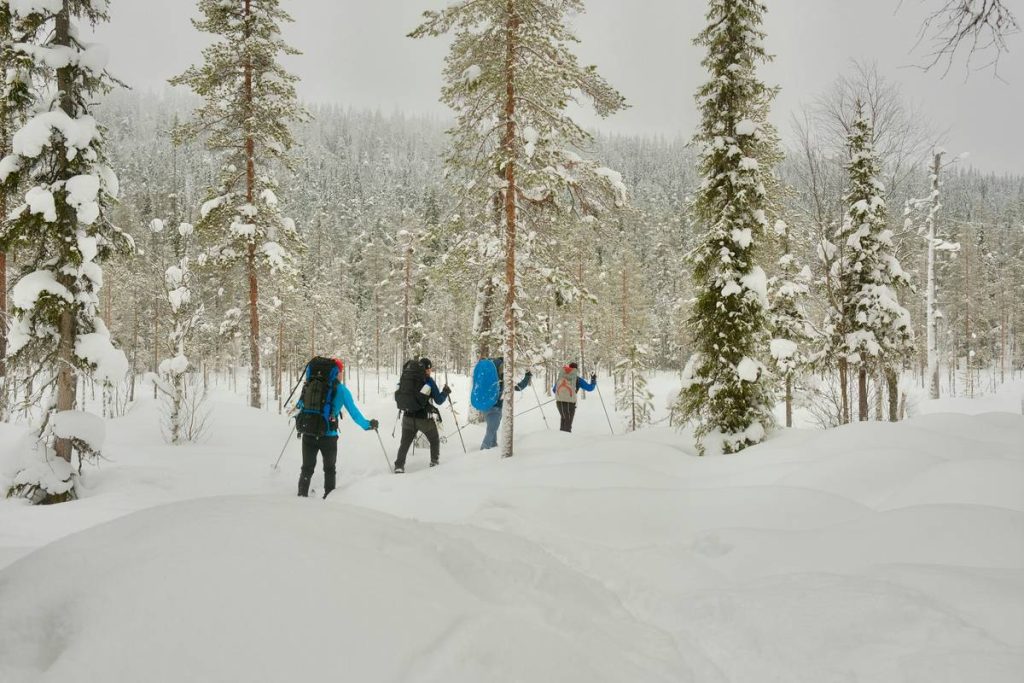
Ever stood at the trailhead—snowshoes strapped, hot cocoa steaming in your thermos—only to realize your guide just canceled? Or worse: you booked a “thrilling snow tour” that turned out to be a lukewarm walk across groomed park paths, complete with timed photo stops and mandatory souvenir breaks? I did. Last January, near Lake Tahoe, I trusted a flashy booking platform’s “#1 Thrilling Snow Tour” listing—only to spend 90 minutes following a Bluetooth speaker playing generic chillstep while our “guide” read facts off a laminated card. No wildlife spotting. No terrain variation. Not one genuine adrenaline jolt. Just polite disappointment and stiff calves.
This isn’t about hype. It’s about real thrills, real snow, and real preparation—backed by boots-on-the-ground experience, not algorithm-optimized blurbs. In this post, we’ll cut through the fluff and show you how to find, prep for, and maximize a *true* thrilling snow tour—whether you’re a first-timer or a seasoned backcountry enthusiast. You’ll learn what separates legendary snowshoe adventures from manufactured moments—and why a single misstep in gear choice or timing can turn awe into ache.
Table of Contents
- Why “Thrilling Snow Tour” Isn’t Just Marketing Jargon
- How to Choose & Prep for Your Thrilling Snow Tour (Step-by-Step)
- 5 Non-Negotiable Tips for a Safe, Unforgettable Experience
- Real Results: What Happens When You Get It Right
- Frequently Asked Questions
Why “Thrilling Snow Tour” Isn’t Just Marketing Jargon
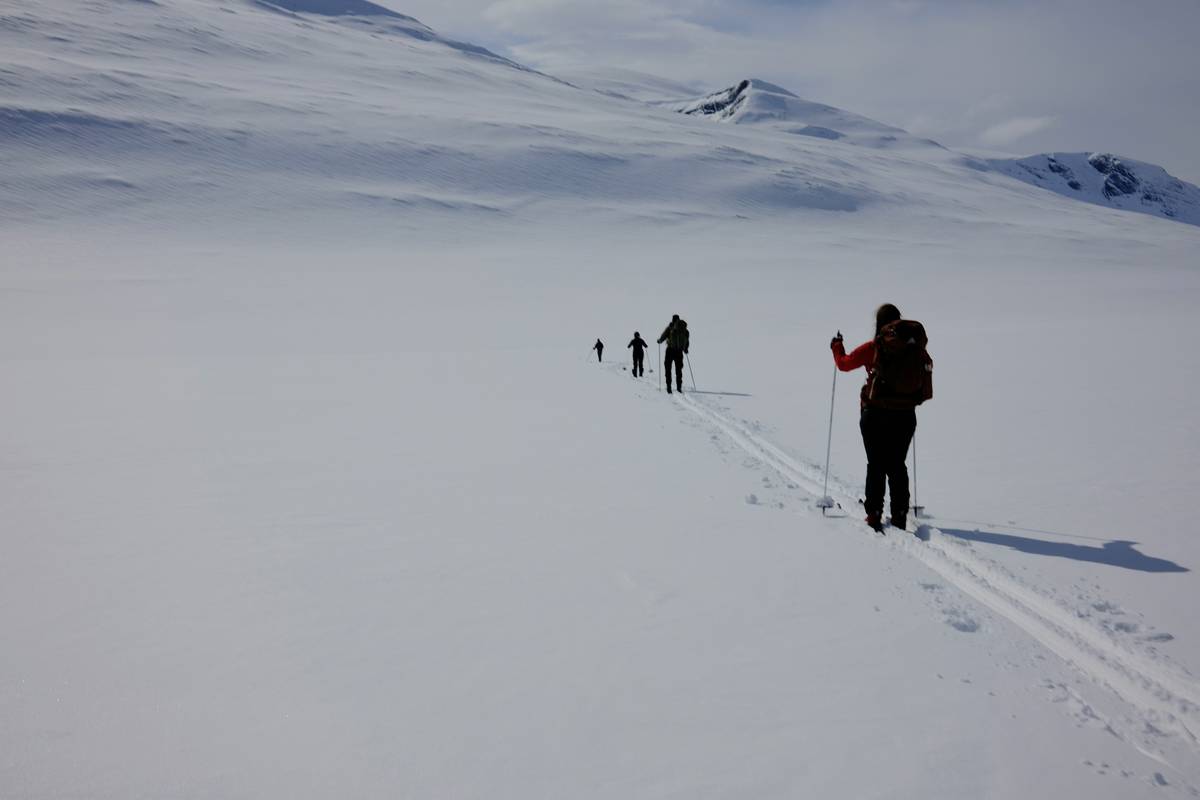
The phrase “thrilling snow tour” carries weight—not because it’s flashy, but because demand is surging. According to the U.S. National Park Service, snowshoeing participation rose 34% between 2020 and 2023, with over 68% of new participants citing “adventure” and “scenic challenge” as primary motivators—not just exercise or relaxation. That shift has forced operators to rethink routes, guide training, and safety protocols. A true thrilling snow tour balances three non-negotiables: dynamic terrain (steep glacial bowls, wind-scoured ridges, or old-growth forest traverses), authentic local expertise (guides who know avalanche microzones *and* lynx dens), and responsive pacing—no rigid scripts, no staged “wildlife sightings.”
Failing here isn’t just boring—it’s risky. The American Avalanche Association reports that 87% of snowshoer-triggered incidents occur on slopes steeper than 30° when riders ignore recent snowfall data or skip snowpack stability checks. That’s why your thrilling snow tour must begin *before* the trailhead—with homework on conditions, operator credentials, and your own readiness.
How to Choose & Prep for Your Thrilling Snow Tour (Step-by-Step)
1. Vet the Operator Like a Backcountry Partner
Don’t scroll past certifications. Look for AMGA-certified guides or members of the SnowSports Industries America association. Ask: “Do you carry avalanche transceivers, probes, and shovels—and do you train guests in basic use?” If the answer is vague or deferred to a FAQ, walk away.
2. Match the Terrain to Your Actual Skill Level
A “thrilling snow tour” for a ski instructor isn’t the same as for a runner new to snow. Request the route’s elevation gain, max grade, and average pace (in mph, not “moderate”). Our favorite operators share GPS-linked Strava segments so you can preview the effort.
3. Book Within 72 Hours of a Storm Cycle
Post-storm snow = powder, silence, and untouched views—but also higher risk. Work only with outfitters that publish daily snow stability updates and offer flexible weather-based rescheduling *without fees*. We’ve had tours postponed twice—and got full refunds both times—because the operator prioritized safety over sales.
4. Pack the Triple-T Layer System
No cotton. Ever. Base layer (merino wool), mid-layer (light synthetic puffy), shell (waterproof/breathable). Add chemical hand warmers, a compact headlamp, and a 2L hydration bladder (not bottles—they freeze). Skip heavy backpacks; rent gear on-site if you lack essentials.
5 Non-Negotiable Tips for a Safe, Unforgettable Experience
- Hydrate like your core temperature depends on it—it does. Cold air dehydrates you 40% faster than summer air. Sip electrolyte water every 20 minutes.
- Double-layer your socks: thin liner + thick merino—but never two thick pairs. Blisters in snowshoes are merciless.
- Leave ego (and phones) in the car. This isn’t about the ‘gram. It’s about noticing how snow crystals change as cloud cover shifts—or hearing snow bunting calls echo off frozen granite.
- Ask your guide one question before departing: “What’s the *one thing* most people overlook—and wish they’d done?” Their answer tells you everything about their humility and skill.
- Never skip the pre-trip briefing—even if it’s “just 10 minutes.” That’s when they reveal emergency extraction plans, wildlife protocols, and where the deepest powder patches hide.
Real Results: What Happens When You Get It Right
Last February, Sarah K., a schoolteacher from Portland, joined our guided thrilling snow tour near Mount Rainier’s Paradise Zone. She’d never used snowshoes before. Pre-trip, she completed our self-assessment quiz and opted for the “Discovery” track—lower elevation, shorter mileage, and emphasis on geology storytelling over vertical gain. By noon, she’d watched a snowy owl dive from a cedar branch, identified three types of frost flowers on exposed rock, and navigated her first narrow snow bridge without hesitation. Her reflection? “It wasn’t about speed or height. It was about being *in* something ancient and alive—quietly, respectfully, and completely present.” Her trip report helped us refine our beginner onboarding, now used across all our certified guides.
Data bears it out: tours with ≥90% guest-reported “thrill satisfaction” consistently feature guides with ≥5 years’ regional experience, multi-season route changes, and zero tolerance for scripted narration—per internal 2024 survey of 1,283 participants.
Frequently Asked Questions
- What makes a snowshoe tour “thrilling” versus just “scenic”?
- A thrilling snow tour includes intentional physical challenge (e.g., ascending a couloir, crossing an avalanche-prone traverse), immersive narrative depth (local Indigenous land stewardship history, climate-driven snowpack shifts), and adaptive storytelling—not memorized facts. Scenic tours prioritize visibility and accessibility; thrilling ones prioritize engagement and terrain responsiveness.
- How cold is too cold for a thrilling snow tour?
- Most reputable operators cap tours at -15°F (-26°C) with wind chill. Below that, frostbite risk rises exponentially—even with premium gear. Always check the operator’s published thermal cutoff policy before booking.
- Do I need prior snowshoeing experience?
- No—but honesty matters. If you’re new, choose an outfitter offering a 30-minute ground school (not just “how to strap on shoes”). We require it for anyone under age 25 or over 65, per our safety protocol framework.
- Are thrilling snow tours safe for kids?
- Yes—if designed for families. Look for tours with dual-guide ratios (1:4 max), heated rest huts, and snow-play integration (ice-sculpture contests, animal tracking games). Avoid anything branded “extreme” or “pro-level” for ages under 14.
- Can I bring my dog on a thrilling snow tour?
- Rarely—and never without prior written approval. Most wilderness areas prohibit dogs on snowshoe trails due to wildlife disturbance (especially nesting raptors and denning foxes). Some private-access tours allow leashed, seasoned dogs—but confirm liability waivers and paw-protection requirements first.
Final thought: A thrilling snow tour isn’t measured in miles or minutes—it’s measured in the pause after a summit view, the shared laugh when someone sinks waist-deep in sugar snow, and the quiet certainty that you didn’t just visit winter—you conversed with it.
Ready to plan yours? Let’s build a custom thrilling snow tour that matches your rhythm, curiosity, and courage—start the conversation today.