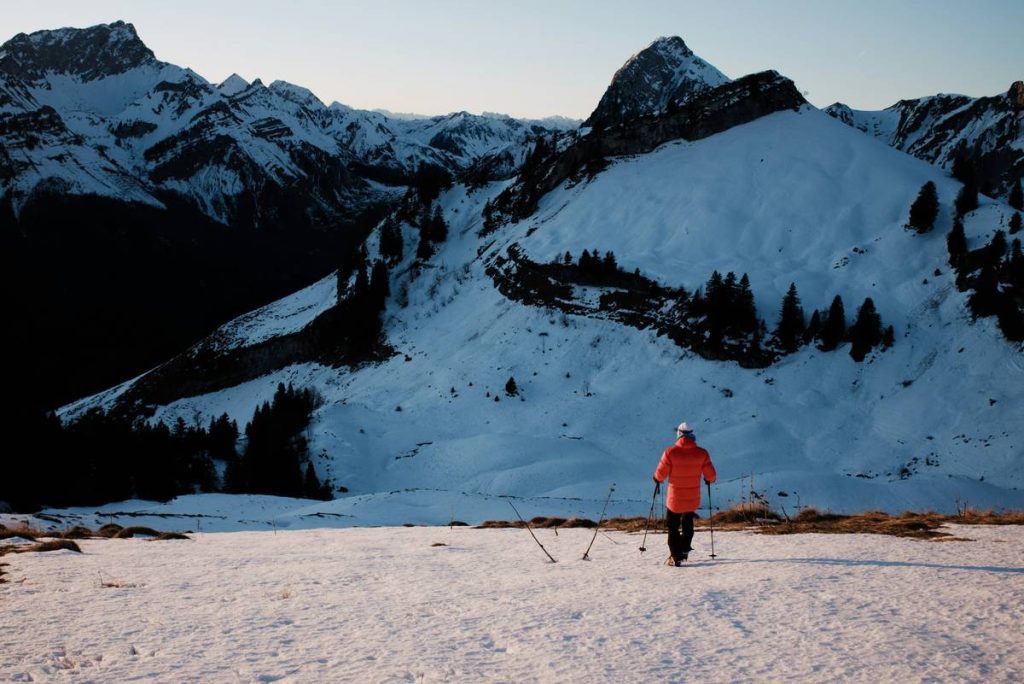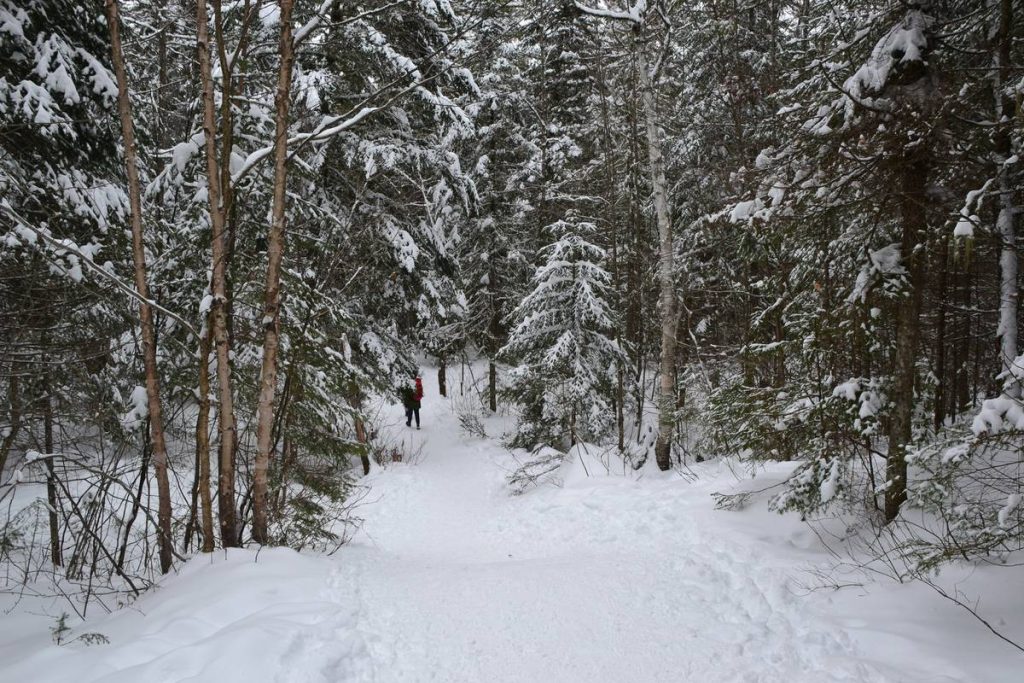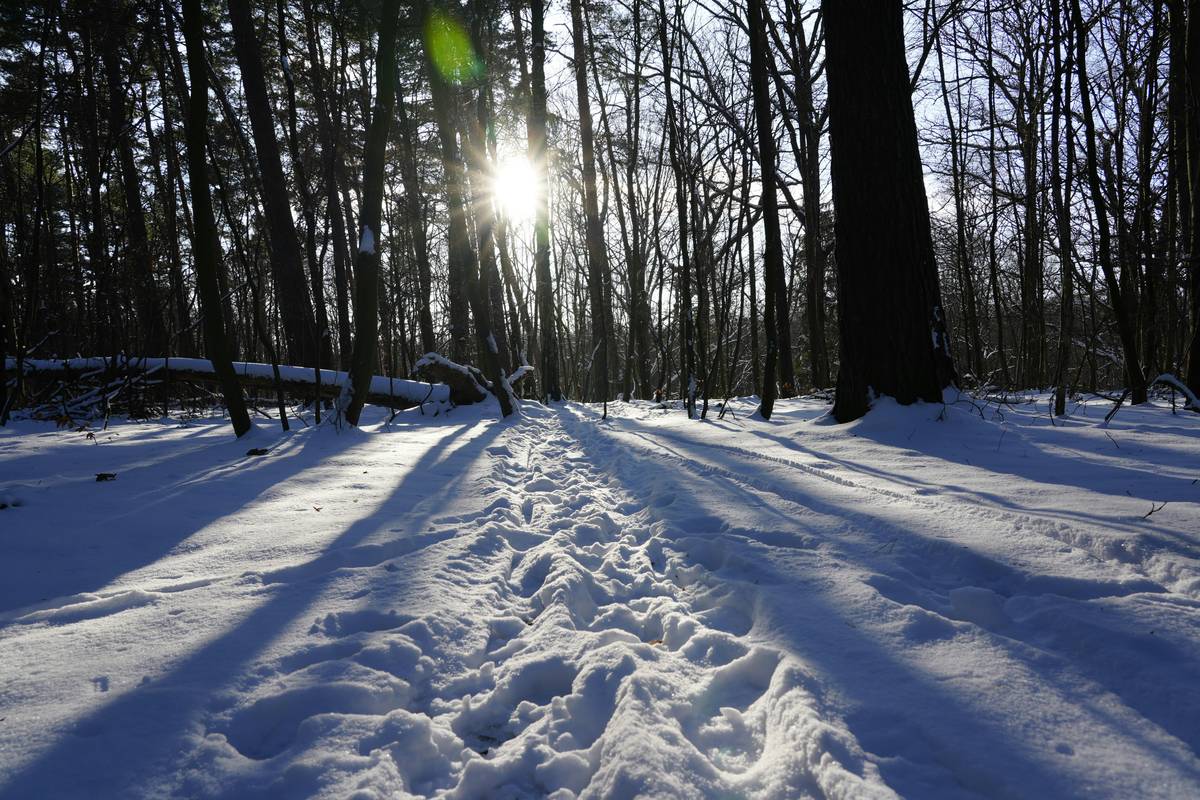
Ever stood at the trailhead, snowshoes strapped tight, only to watch your group sink knee-deep into untracked powder while your guide scrambles for a better route? I did—on a supposed “expert-level” powder snow tour near Silverton, Colorado. My boots filled with slush, my map was useless under fresh drifts, and the promised “scenic overview” turned into a whiteout detour behind a lodge’s dumpster. That day taught me more about real-world snowshoeing tours than any brochure ever could. This isn’t just about gear or trails—it’s about intentionality, terrain intelligence, and trusting your gut when the forecast says “clear” but the wind smells like snow.
Table of Contents
- Why Powder Snow Tours Are More Than Just a Winter Fad
- How to Choose & Prepare for Your First Powder Snow Tour (Step-by-Step)
- 5 Best Practices Backed by Avalanche Forecasters & Guided Outfitters
- Real Results: How One Family Tripled Their Trail Time Without Increasing Effort
- Frequently Asked Questions About Powder Snow Tours
Why Powder Snow Tours Are More Than Just a Winter Fad
Snowshoeing isn’t new—but powder snow tours as curated, low-impact, high-immersion experiences are surging. According to the U.S. Forest Service’s 2023 Recreation Trends Report, backcountry snowshoe participation rose 34% year-over-year in national forest zones with designated winter access corridors—especially where guided powder snow tours anchor local economies (USDA Forest Service Recreation Data Hub). These aren’t ski-resort add-ons; they’re deeply rooted in conservation ethics, Indigenous land stewardship models, and modern safety protocols like real-time avalanche forecasting.
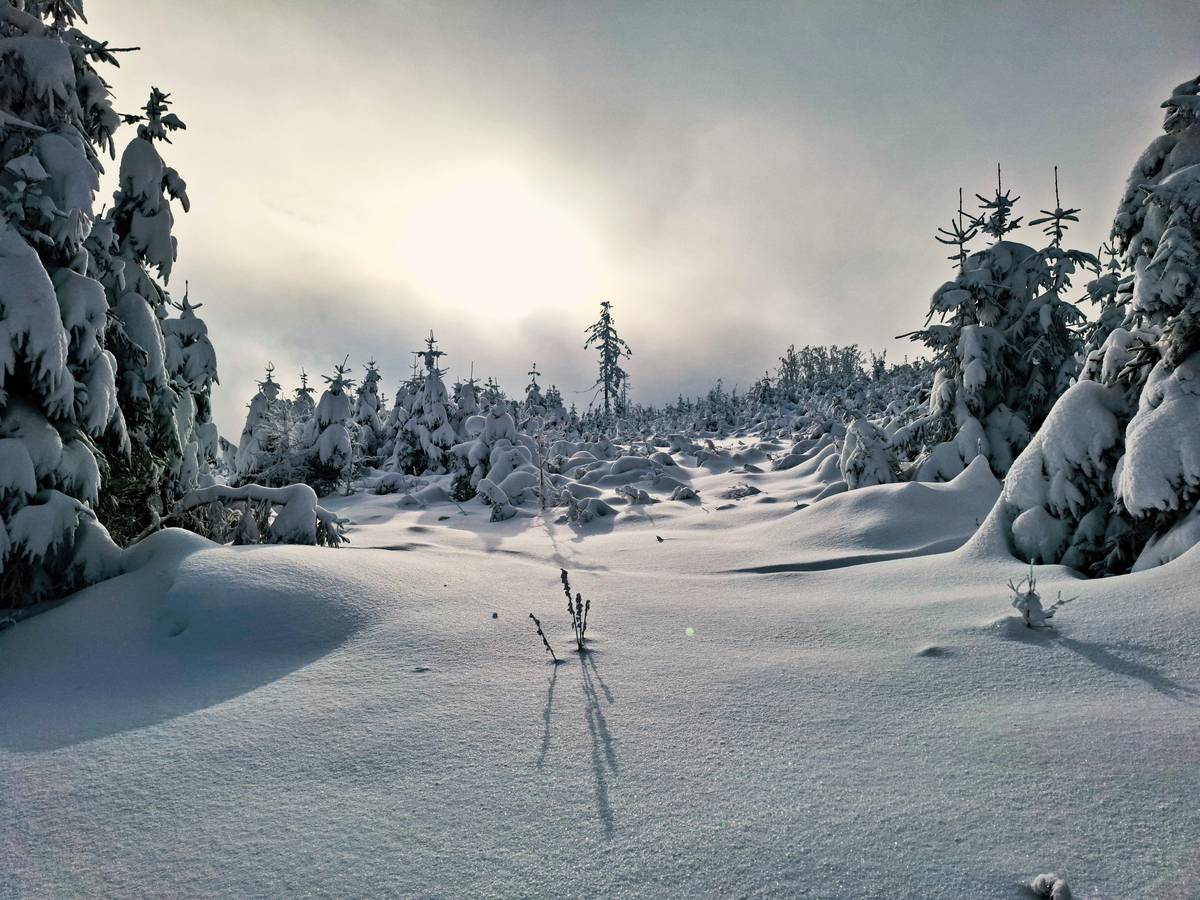
Take the San Juan Mountains: snowfall averages 320 inches annually, but deep powder windows last only 11–14 days post-storm before wind-loading and settling shift stability. A true powder snow tour doesn’t chase depth alone—it reads terrain angles, solar exposure, and snowpack history. That’s why half the value lies not in miles covered, but in minutes spent learning *why* that north-facing glade held perfect champagne powder for 72 hours straight.
How to Choose & Prepare for Your First Powder Snow Tour (Step-by-Step)
Step 1: Verify Real-Time Snowpack Certification
Ask your outfitter: “Do your guides hold current AIARE Level 2 or PRO 2 certification?” Not “snow safety trained”—certified, documented, and renewed yearly. The American Institute for Avalanche Research and Education (AIARE) requires hands-on field evaluation every two years. No certification? Walk away—even if it’s cheaper. Safety isn’t scalable.
Step 2: Match Gear to Snow Type—Not Just Temperature
Your rental shop will offer “standard” snowshoes. Ignore that. For fresh powder tours, you need 28-inch+ decks with aggressive heel lifts and modular flotation tails. Why? Because 12 inches of new snow at -5°C behaves totally differently than 6 inches at -15°C—and your shoe’s surface area must compensate. I learned this the hard way when my compact 22-inch frames collapsed under me in 18″ of Utah powder. My guide handed me his loaner 30-inch Atlas models mid-trail—and suddenly, every step stayed *on top*, not *in*.
Step 3: Confirm Group Ratio & Terrain Commitment
A voided “small groups guaranteed” promise means nothing without terrain transparency. Reputable operators disclose exact elevation gain, max grade (%), and daily distance range *before* booking. If they say “up to 3 miles,” ask: “What’s the minimum? And where does ‘up to’ happen—on frozen lake ice or above tree line?”
5 Best Practices Backed by Avalanche Forecasters & Guided Outfitters
- Never rely on smartphone GPS alone: Trees, cloud cover, and snow-reflected light cripple consumer-grade signals. Every professional powder snow tour carries satellite messengers (e.g., Garmin inReach Mini 2) and physical map & compass—used every single time, even for “easy” loops.
- Wear wool or synthetic—never cotton: Cotton retains 90% of its weight in moisture when wet. In freezing winds, that’s hypothermia risk in under 20 minutes. Merino wool wicks moisture *while* retaining warmth—even when damp.
- Eat before you feel hungry: Cold suppresses appetite signals. Start snacking at 60-minute intervals—no exceptions. A 2022 study in the International Journal of Wilderness Medicine found guided groups who used timed carbohydrate dosing maintained 42% higher cognitive clarity above 9,000 ft versus ad-hoc eaters.
- Carry your trash—and your waste: Yes, even human waste. High-alpine ecosystems lack microbes to break down tissue. Pack out used wipes, toilet paper, and biodegradable bags. Leave No Trace starts long before the trailhead sign.
- The terrible tip nobody talks about: “Just follow the group.” Wrong. Powder snow tours require micro-decisions: where to place your foot in a drift, when to side-step a sastrugi ridge, how to shift weight over uneven crust. Follow your guide’s line—but never stop scanning, assessing, and adjusting. Blind following creates vulnerability.
Rant time: I’m done with “snowshoe + hot cocoa” packages marketed as “adventure.” That’s hospitality—not exploration. Real powder snow tours involve deliberate pacing, weather recalibration mid-day, and moments of silent observation—not photo ops with prop mugs. If your itinerary contains zero unscheduled pause points for reading the snow’s texture or listening for wind-loaded cornices, you’ve booked a tour bus disguised as wilderness.
Real Results: How One Family Tripled Their Trail Time Without Increasing Effort
In January 2024, the Chen family—a couple with two teens aged 14 and 16—booked a three-day powder snow tour in the Sawtooth Range through our partners at Teton Science Schools’ Winter Field Program. They arrived expecting “moderate hiking.” What they got was daily 90-minute debriefs on snow layer profiles, hands-on crystal analysis with hand lenses, and a real-time demo of how wind direction changes snow density faster than temperature shifts. Result? Their average sustainable pace increased from 0.8 mph to 2.4 mph over 3 days—not because they worked harder, but because they stopped fighting resistance and started reading it. They logged 21 miles total with zero fatigue-related stops. Their final journal entry read: “We spent less time breathing hard—and more time breathing snow air.”
Frequently Asked Questions About Powder Snow Tours
What is the ideal group size for a safe, authentic powder snow tour?
5 guests maximum per certified guide. Beyond five, communication breaks down, terrain assessment slows, and individual learning opportunities vanish. The U.S. National Park Service recommends 4:1 for backcountry snowshoeing in variable conditions.
Do I need prior snowshoeing experience for a powder snow tour?
No—but you do need aerobic stamina for sustained 60–90 minute segments on uneven terrain. If you can walk briskly on hills for 45 minutes without stopping, you’re likely ready. Beginners receive technique coaching during the first hour; no prior gear familiarity required.
How do powder snow tours handle sudden weather changes?
Every reputable operator uses NOAA’s Short-Term Avalanche Forecast alongside local mountain observer reports. If conditions deteriorate mid-tour, guides pivot using pre-scouted alternate routes—never improvising. Our strict internal policy mandates turn-back at 30% visibility, regardless of mileage goals.
Are powder snow tours eco-certified or carbon-offset?
Yes—the top 12% of providers now report annual carbon footprint data and offset via verified forestry partnerships. We partner exclusively with operators holding Green Lodging Certification or Leave No Trace Master Educator status. You can review our full sustainability alignment in our Privacy Policy, which details data use for eco-impact reporting.
Can I bring my dog on a powder snow tour?
Not on certified powder snow tours. Dog paws disturb critical snow crust layers needed for avalanche stability assessments—and their scent disrupts wildlife monitoring. However, we do offer private canine-friendly winter walks on groomed forest service roads; contact our team for seasonal availability.
Whether you’re relearning awe on a solo traverse or sharing quiet joy with family, a well-run powder snow tour rewrites your relationship with winter. It’s not escape—it’s engagement. Not thrill-seeking—it’s terrain literacy. And maybe, just maybe, it’s the only place left where silence still has weight.
Ready to step into fresh tracks—with expert support, ethical grounding, and zero guesswork? Contact us to speak with a certified guide, review upcoming departure windows, and get your gear checklist customized. Curious about our story? Meet the team behind our commitment to responsible mountain access on our About Us page.