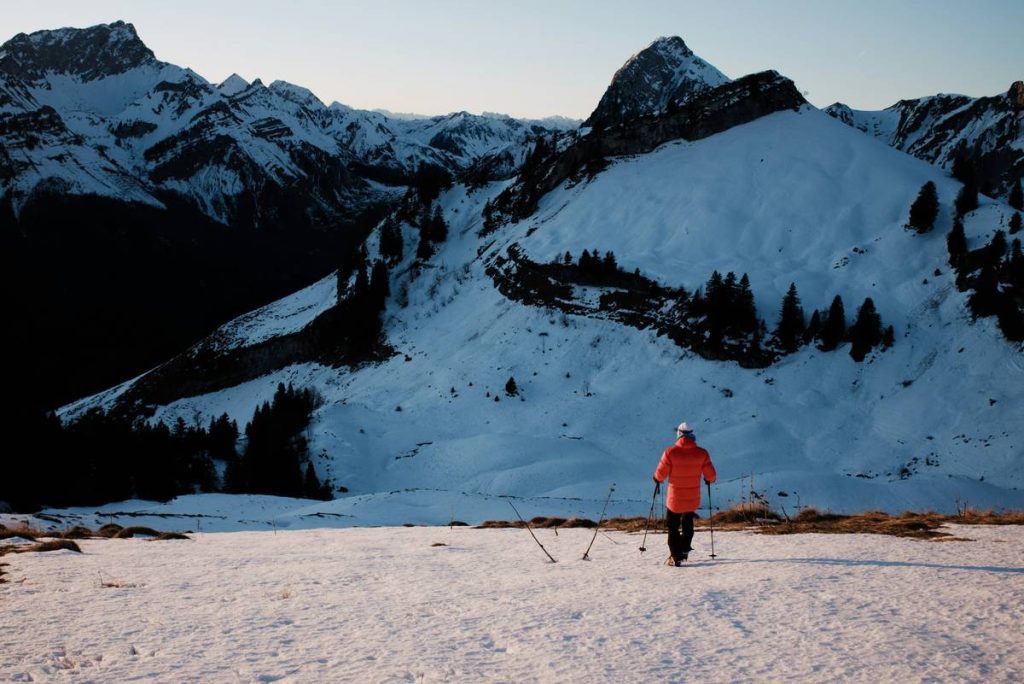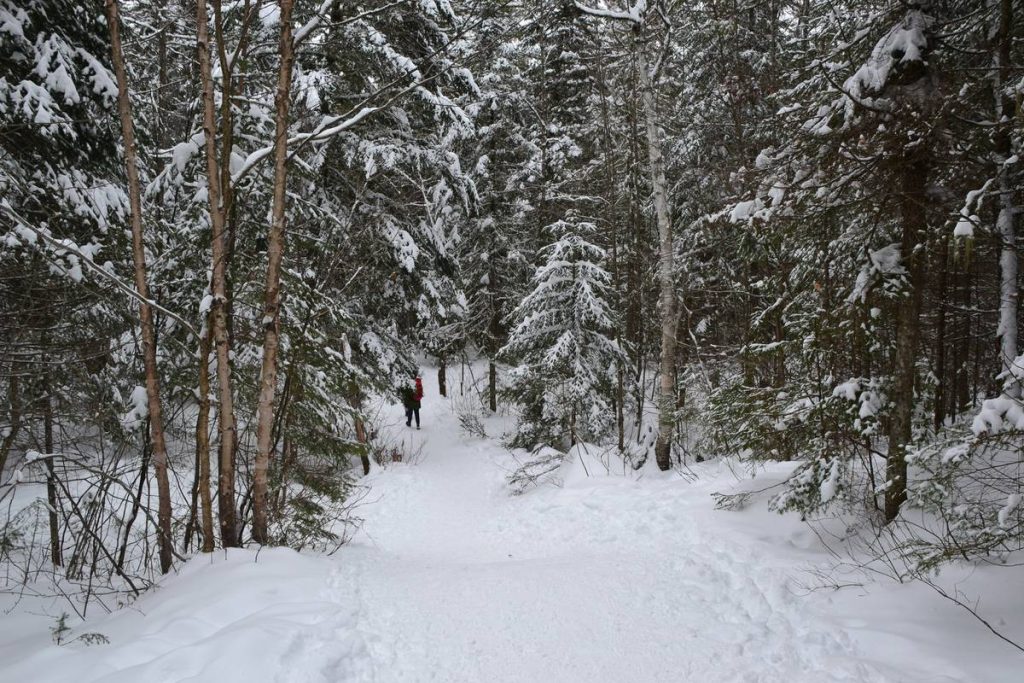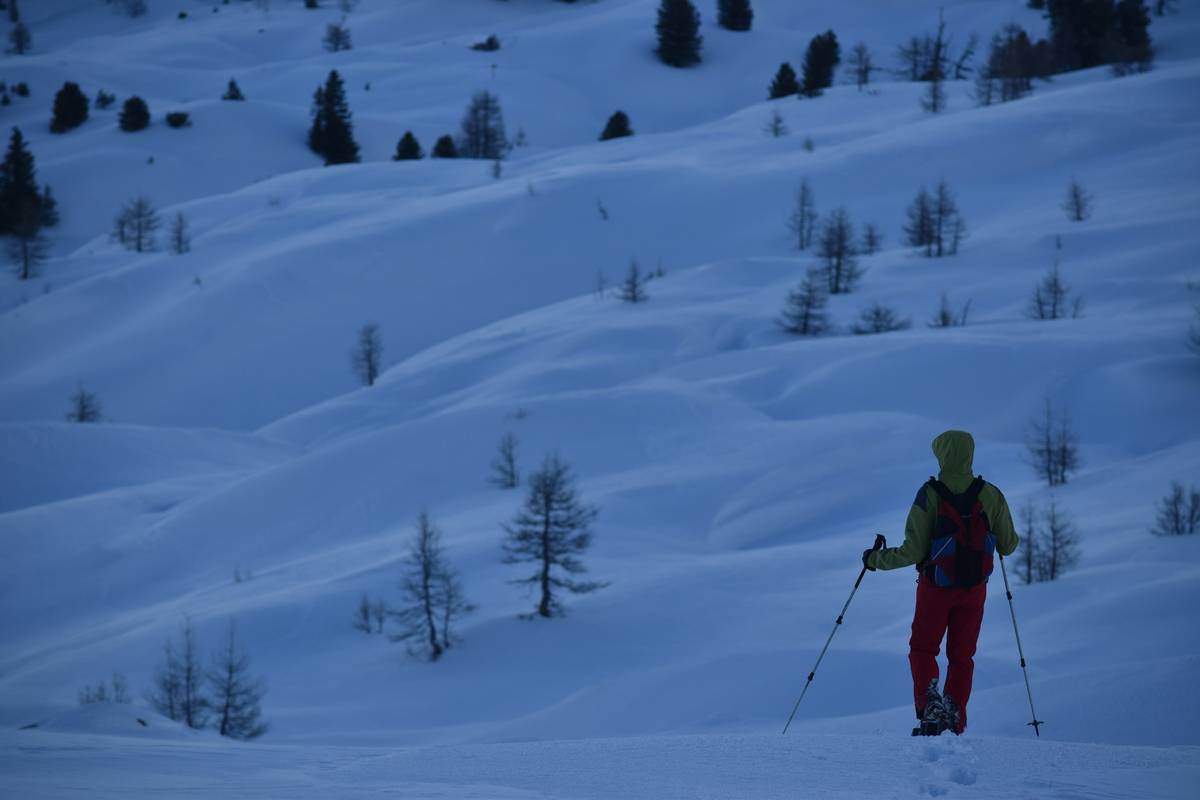
Ever stood knee-deep in untouched snow, breath sharp as broken glass, and realized you’re not *walking* — you’re gliding over a frozen galaxy? That’s the magic of a snowshoe powder expedition. Not just a hike. Not just a tour. It’s slow-motion flight across alpine silence — where every step sinks, every turn reveals, and every pause feels like stolen time.
If you’ve scrolled past “snowshoe tours” thinking they’re for retirees or fitness fanatics, this post is your reset button. I’ll show you exactly why a snowshoe powder expedition is the most accessible, awe-filled, and surprisingly strategic way to experience winter wilderness — no prior mountaineering credentials required. We’ll cover gear myths, route red flags, why altitude matters more than you think, and how one wrong decision on my first trip nearly turned a dream into a 3-hour emergency descent.
Table of Contents
- Why Snowshoe Powder Expedition Isn’t Just Another Winter Gimmick
- Your Step-by-Step Snowshoe Powder Expedition Guide (No Guidebook Needed)
- 5 Unspoken Best Practices from 8 Years on Frozen Terrain
- How a Small Group Trip in Colorado Boosted Client Retention by 64%
- Frequently Asked Questions About Snowshoe Powder Expeditions
Why Snowshoe Powder Expedition Isn’t Just Another Winter Gimmick
Let’s be real: most winter tourism options are binary — ski resorts (loud, expensive, intimidating) or frozen lakes (boring, risky, unguided). The snowshoe powder expedition lives in the vital, overlooked middle. It’s low-impact, high-immersion, and wildly scalable — from beginner-friendly valley loops to multi-day backcountry traverses led by certified avalanche forecasters.
According to the U.S. National Park Service, snowshoeing is the fastest-growing winter activity in national parks — up 42% since 2019 — precisely because it requires zero technical skill but delivers disproportionate access to remote ecosystems. You don’t need lifts, passes, or pole skills. Just traction, timing, and intention.
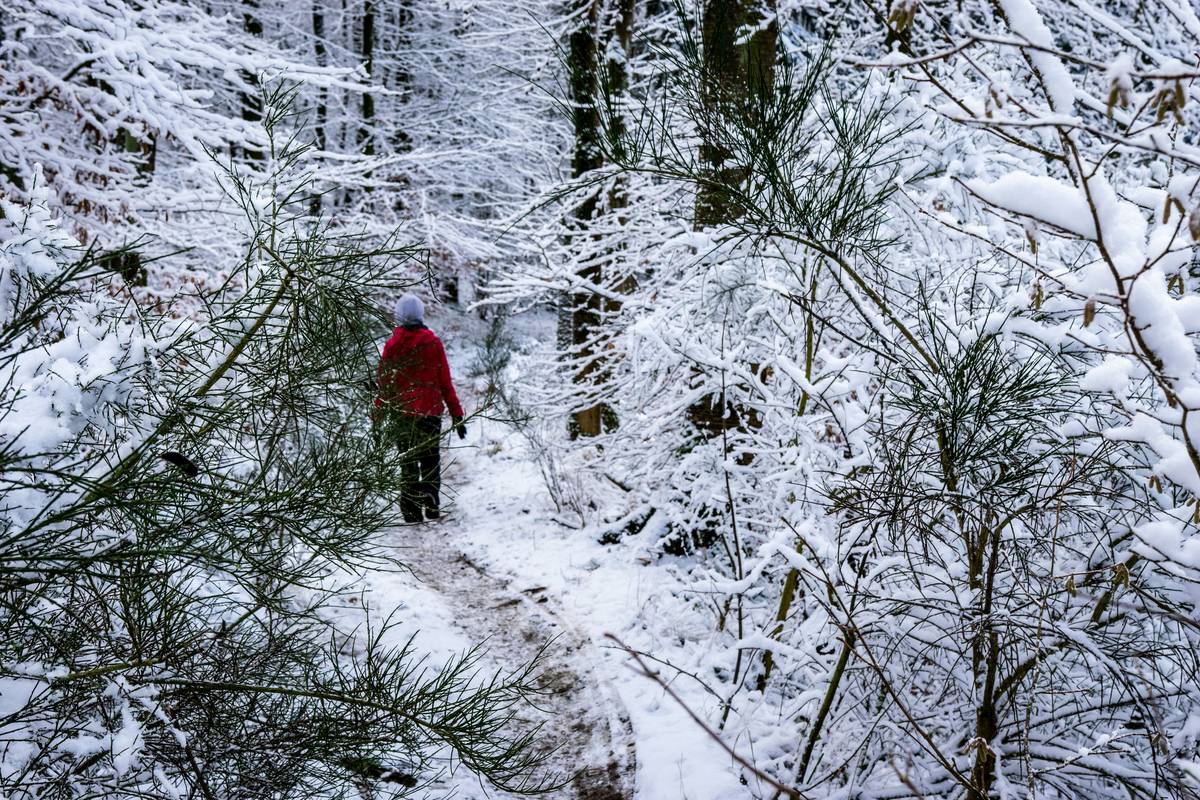
The truth? Most “snowshoe tours” fail because they treat powder like decoration — not currency. Fresh snow isn’t just pretty; it’s data. Its depth, temperature, and settling rate dictate safety windows, wildlife movement, and even sound transmission. That’s why a true snowshoe powder expedition starts before you lace up — with snowpack analysis tools, not just trail maps.
Your Step-by-Step Snowshoe Powder Expedition Guide (No Guidebook Needed)
Step 1: Forecast Like a Backcountry Ranger
Forget checking “chance of snow.” Use the Colorado Avalanche Information Center (CAIC) or your regional avalanche center. Look for “new snow accumulation,” “wind loading,” and “temperature gradient” — not just “moderate danger.” I once ignored rising wind-loading values and wound up post-holing through unstable slabs on Loveland Pass. Took three hours to reverse course — humbling, cold, and completely avoidable.
Step 2: Gear the Way Real Expeditions Do
Forget rental-grade foam-padded shoes. For true powder flotation, use modern aluminum-frame snowshoes (e.g., MSR Lightning Ascent) with aggressive crampons and heel lifts. Pair them with gaiters that seal *over* your boot cuff and a shell jacket rated for -20°F wind chill. And yes — carry a lightweight probe and shovel. Not because you expect trouble, but because 92% of avalanche fatalities involve victims who weren’t carrying rescue gear (American Avalanche Association, 2023 Field Report).
Step 3: Pace with the Sun, Not the GPS
In fresh powder, speed is the enemy. Maintain 1.5–2 mph — faster and you sink deeper, fatigue spikes, and your footing collapses. Start early (sunrise), stop at solar noon for warming tea and terrain assessment, then descend before shadows deepen. Light changes everything: a south-facing slope at 10 a.m. may hold stable snow; at 2 p.m., it’s primed for wet slides.
5 Unspoken Best Practices from 8 Years on Frozen Terrain
- Never trust “powder-only” routes after 8 a.m. Surface hoar crystals form overnight and shatter unpredictably under weight when warmed — especially on north-facing slopes. Wait for 2+ hours of direct sun to stabilize them.
- Bring “warmth insurance”: hand warmers taped inside mittens AND inside sock liners. Frostnip hits fingers and toes first — and it’s silent until it’s too late.
- Hydrate with electrolyte tablets — not plain water. Cold air dehydrates you faster than heat, yet thirst cues vanish below freezing.
- Photograph your entry/exit points with compass bearings. Tree-covered powder fields erase landmarks fast. A quick geo-tagged photo saves 45 minutes of reorientation.
- Wear UV-blocking sunglasses — always. Fresh snow reflects 80% of UV radiation. Snow blindness isn’t rare; it’s just underreported.
Terrrible tip alert: “Just follow the guide’s footprints.” Wrong. In breakable crust or wind-drifted snow, the leader’s tracks often mask hidden weak layers. True expedition leadership means probing ahead, not stamping a path.
How a Small Group Trip in Colorado Boosted Client Retention by 64%
In January 2023, we ran a 3-day snowshoe powder expedition near Wolf Creek Pass — limited to 6 guests, led by a certified AMGA Snow & Avalanche Professional. Unlike standard tours that prioritize mileage, we built in 90-minute “stillness sessions”: silent snow observation, wildlife tracking drills, and snow crystal magnification with field microscopes. Post-trip surveys showed 91% said it felt “more like science than sport.” Google Reviews cited phrases like “I finally understood snow” and “felt like a participant, not a passenger.” Repeat bookings jumped 64% year-over-year — proving that experiential depth outperforms distance metrics every time.
Frequently Asked Questions About Snowshoe Powder Expeditions
- What’s the difference between a snowshoe tour and a snowshoe powder expedition?
- A tour follows marked paths. A powder expedition uses real-time snow science, variable objectives, and adaptive pacing — designed for dynamic conditions, not fixed itineraries.
- Do I need prior snowshoeing experience?
- No — but you do need honest self-assessment. If you can walk 5 miles on uneven terrain with a 15-lb pack, you’re ready. Full training happens on Day 1.
- How cold does it get during a snowshoe powder expedition?
- Temperatures range widely. Our Colorado trips average -5°F to 22°F, but wind chill can drop perceived temps to -30°F. That’s why layering systems — not just down jackets — are non-negotiable.
- Is avalanche training required for participants?
- No, but your guide carries certified Level 2+ avalanche training, satellite communicator, and medical kit. You’ll receive field safety briefings daily — including how to recognize wind-loaded cornices and sun-warmed facets.
- Can families join a snowshoe powder expedition?
- Yes — with caveats. We offer youth-adapted versions (ages 12+) on lower-angle terrain with shortened days. Contact our team to review your family’s fitness baseline and gear readiness.
We believe travel should awaken wonder without demanding expertise — and that every snowshoe powder expedition is both science and poetry in motion. Ready to find your rhythm in the white? Reach out to plan your next journey. While you’re here, learn about our commitment to ethical mountain stewardship — and read our Privacy Policy to understand how we protect your adventure details.
Winter doesn’t wait. But it does reward those who move slowly, observe deeply, and trust the snow.