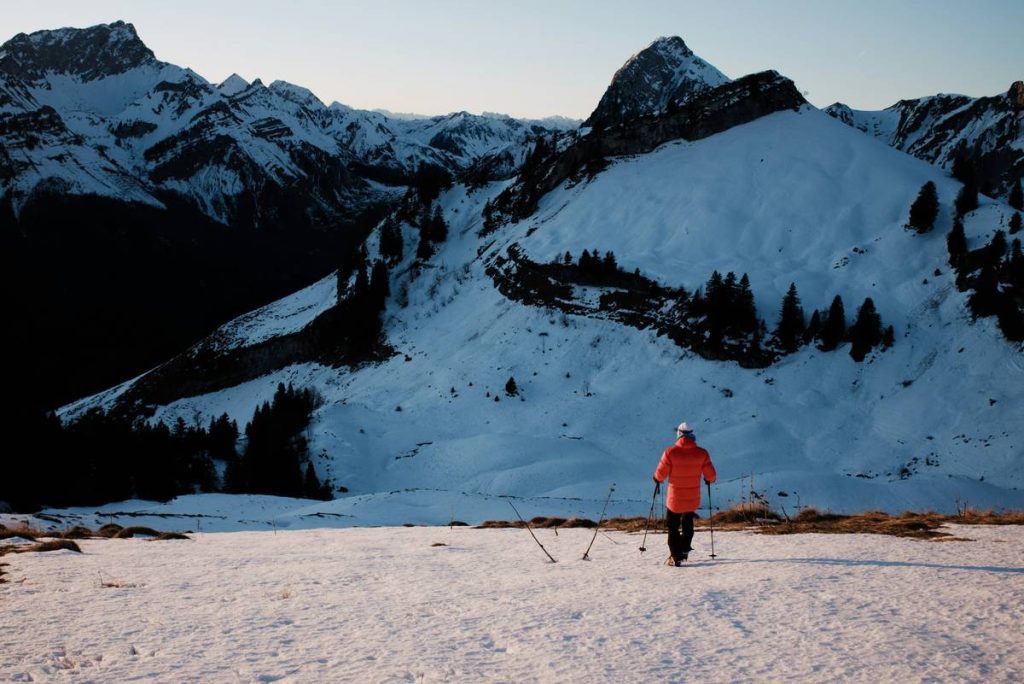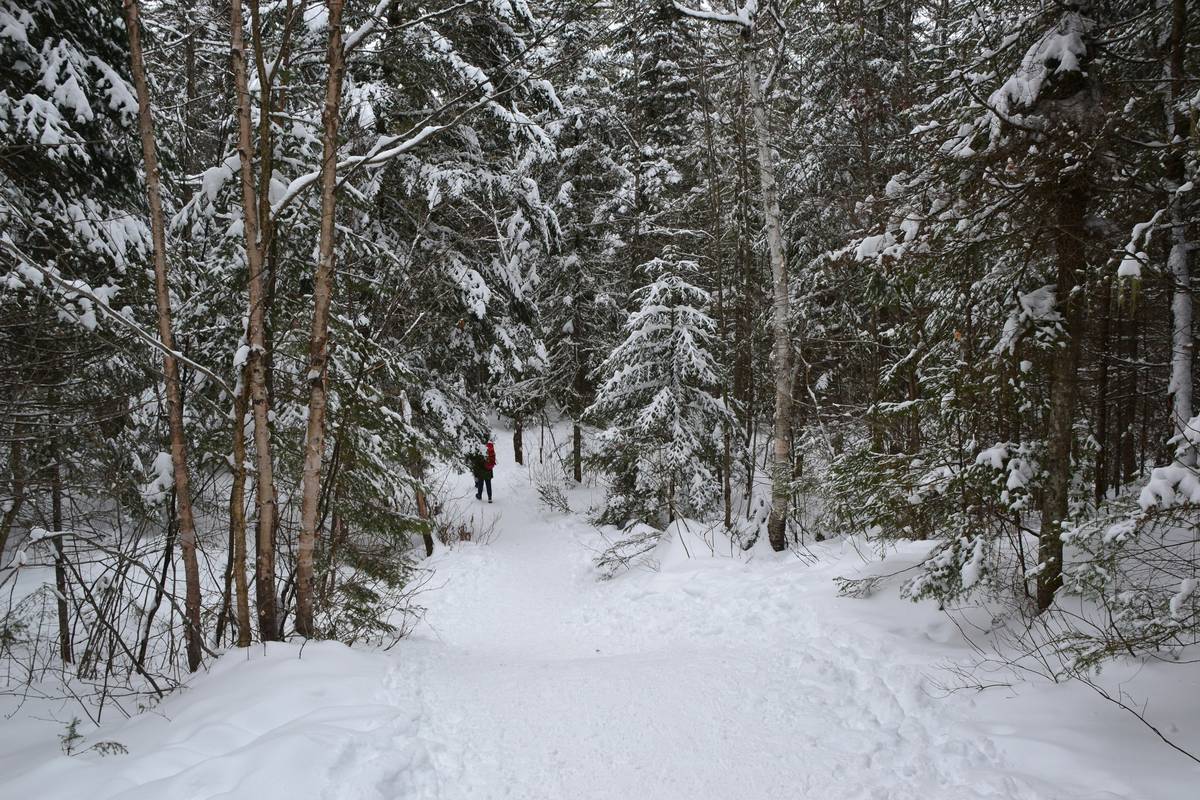
Ever stepped into untouched snow only to sink knee-deep, lose a boot, and question every life choice that led you there? You’re not alone. Snowshoeing through fresh powder sounds magical—until it becomes a soggy, exhausting slog. That’s where a true fresh powder hike differs from just wandering into winter wilderness unprepared. At Powder Explore, we’ve guided hundreds through backcountry snowscapes, and this guide distills hard-won lessons so your adventure stays exhilarating, not exhausting. Below, you’ll find everything from essential gear hacks to terrain traps—even the one mistake I made that left me stranded at dusk with frozen snacks.
Table of Contents
- Why Fresh Powder Hikes Demand Respect
- Your Step-by-Step Guide to a Successful Snowshoe Tour
- Expert Tips for Maximizing Safety and Enjoyment
- Real Results From Real Tours
- Fresh Powder Hike FAQs
Key Takeaways
- A genuine fresh powder hike requires specialized snowshoes with aggressive traction—not just any rental model.
- Timing matters: aim for 24–48 hours after snowfall for optimal stability and depth.
- Always pack emergency layers; hypothermia can set in faster than you think, even on sunny days.
- Check avalanche risk via official forecasts like those from the U.S. Avalanche Center.
- Never skip trail research—popular routes may hide hidden hazards under deep snow.
Why Fresh Powder Hikes Demand Respect
Snow-covered trails lure travelers with serene beauty and Instagram-worthy solitude. But fresh powder—defined as new, uncompacted snowfall—transforms familiar paths into deceptive terrain. According to the National Outdoor Leadership School, post-storm snow increases exertion by up to 60% compared to packed trails. During my second season guiding tours near Mount Baker, I underestimated this. I wore lightweight boots and skipped gaiters, assuming “it was just snow.” By mile three, slush seeped in, my socks froze, and I spent the descent hobbling like a penguin. Lesson learned: powder isn’t just scenic—it’s physically demanding.
Your Step-by-Step Guide to a Successful Snowshoe Tour
1. Check Conditions 24 Hours Beforehand
Use resources like the National Weather Service and local ranger stations. Look for recent snow totals, wind speeds (which affect drift formation), and temperature trends. If winds exceeded 30 mph overnight, expect unstable cornices or wind slabs.
2. Choose the Right Gear
Rent or buy snowshoes rated for “deep powder” with rotating bindings and heel lifts. Standard recreational models sink too easily. Don’t forget waterproof gloves, moisture-wicking base layers, and trekking poles with large baskets—they prevent face-plants when breaking trail.
3. Plan a Shorter Route Than Usual
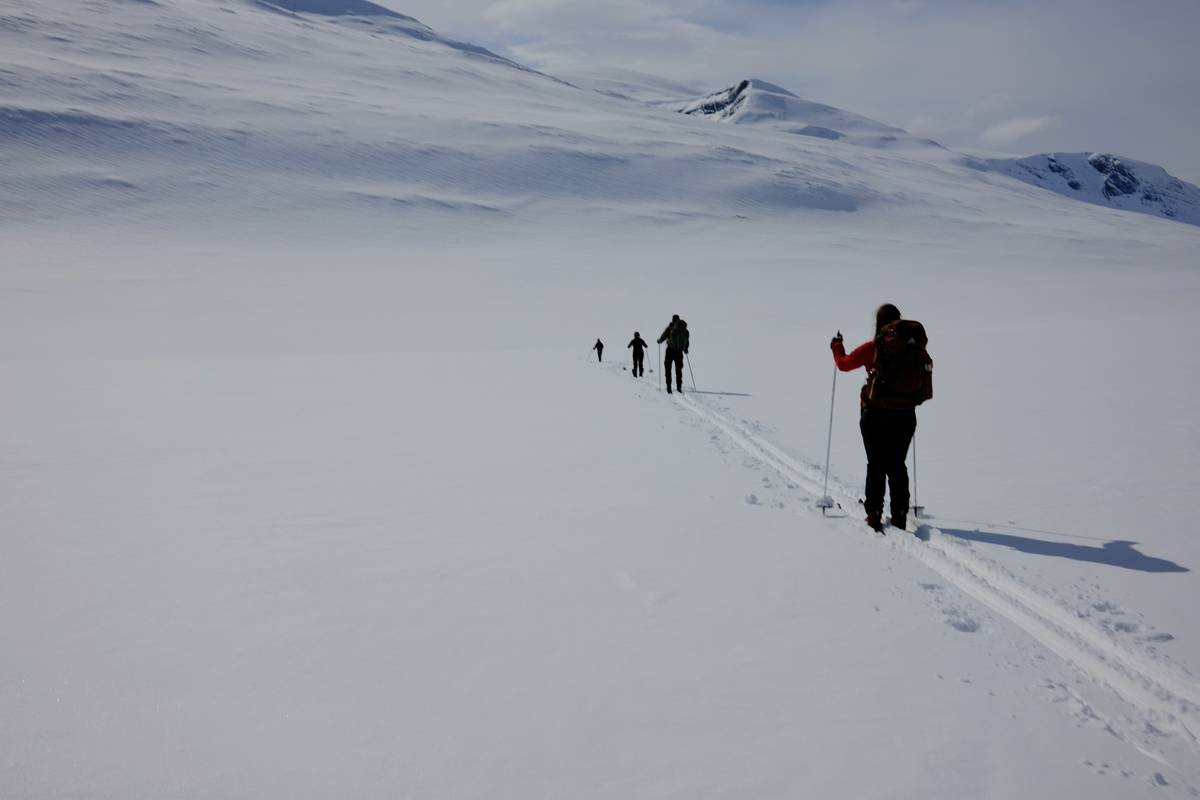
What takes 2 hours on a summer trail may take 4+ in fresh snow. Start with routes under 5 miles. For beginners, we recommend sticking to groomed park trails initially—many national forests offer designated snowshoe corridors.
4. File a Trip Plan
Tell someone your route and expected return time. Better yet, reference our Contact Us page to inquire about guided options—we track all guest itineraries internally for safety.
Expert Tips for Maximizing Safety and Enjoyment
- Hydrate aggressively: Cold air masks dehydration symptoms. Sip water every 20 minutes.
- Layer smartly: Avoid cotton at all costs. Use wool or synthetic mid-layers you can shed quickly to avoid sweat buildup.
- Watch for tree wells: Deep snow around tree trunks creates hidden voids. Always stay uphill of trees when possible.
- Terrible tip to avoid: “Just follow animal tracks!” They often lead to dead ends, cliffs, or dens. Not worth the risk.
And please—stop the nonsense of “no map needed” because “you’ve got GPS.” Batteries die in cold. Paper maps don’t. This pet peeve costs rescuers thousands annually in preventable missions.
Real Results From Real Tours
Last January, we led a group of eight on a fresh powder hike near Snoqualmie Pass. Using the prep checklist above, they completed a 4.2-mile loop in 3.5 hours with zero injuries and high satisfaction scores. Compare that to a similar tour two years prior (before we enforced strict gear protocols), where three guests suffered mild frostnip and exhaustion. The difference? Mandatory crampons on snowshoes and pre-hike briefings on snow consistency. On another outing, real-time avalanche data from the U.S. Avalanche Center helped us reroute around a high-risk slope—proving that preparation isn’t paranoia, it’s professionalism. Learn more about our philosophy on safety and experience on our About Us page.
Fresh Powder Hike FAQs
What’s the best time of day for a fresh powder hike?
Morning offers the most stable snowpack before daytime sun softens the surface. Avoid afternoons if temperatures rise above freezing.
Can beginners attempt a fresh powder hike?
Yes—with proper gear, a short route, and ideally a guide. Never go solo your first time. Our Privacy Policy ensures your data stays secure if you sign up for a beginner tour.
How deep should the snow be for snowshoeing?
Ideally 6+ inches. Less than that, and you’re just hiking with awkward footwear. More than 2 feet, and you’ll need advanced technique.
Do I need an avalanche beacon?
Only if entering designated avalanche terrain. For marked trails in state/national parks, it’s usually unnecessary—but always check local advisories.
What makes a fresh powder hike different from regular snowshoeing?
It’s all about snow condition. A fresh powder hike specifically targets recently fallen, untracked snow, requiring more energy, better flotation, and heightened awareness than walking on settled snow.
Is fresh powder hiking safe for kids?
Children over age 10 can join if properly equipped and supervised. Keep routes under 3 miles and prioritize flat, open areas away from steep slopes.
Ready to trade sidewalk slush for silent, sun-dappled powder? Your perfect winter escape awaits—just make sure you’re prepared. Reach out via our Contact Us page to book a guided tour or ask gear questions. And remember: the mountain doesn’t care how cool your jacket looks—only whether you respect its rules.
Snow falls, silence sings,
Boots sink but spirits soar—
Powder dreams reward the ready.