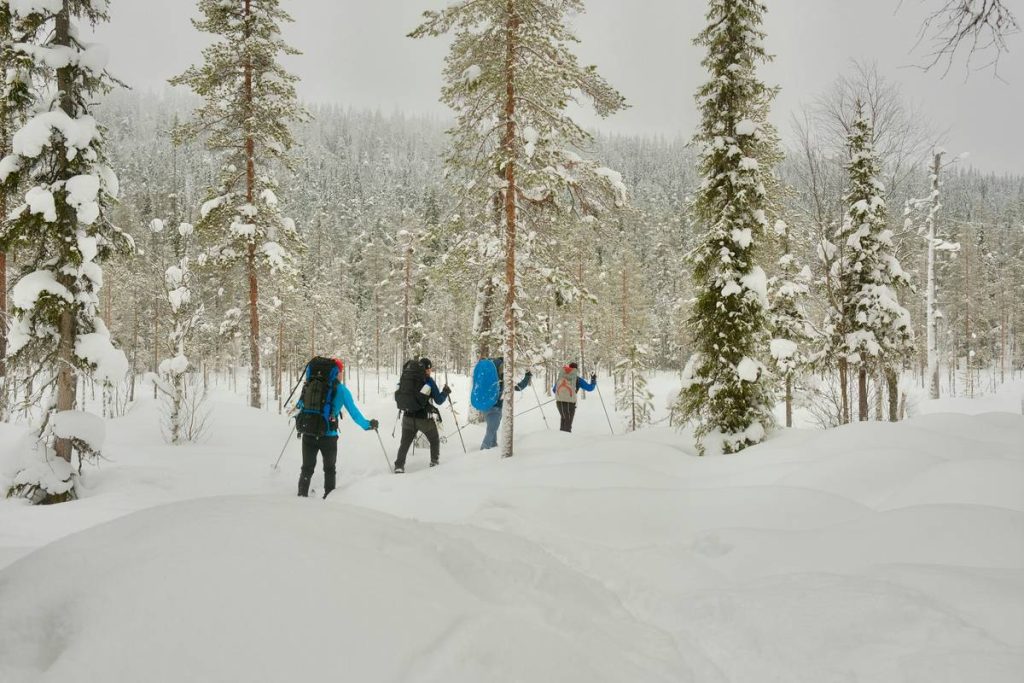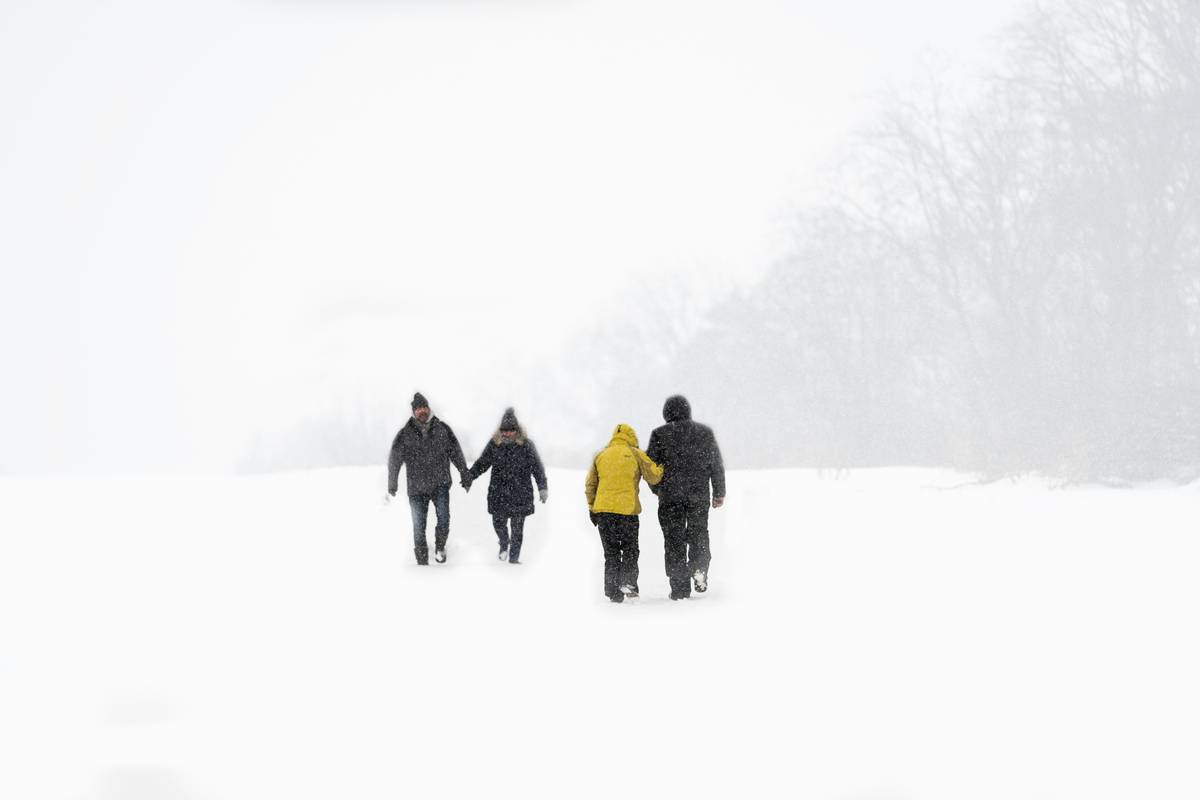
Ever trudged through thigh-deep snow only to realize your “guided tour” left you colder, lost, and questioning life choices? You’re not alone. Snowshoeing—often sold as serene winter magic—can quickly turn into a survival drill if you pick the wrong snow adventure trip. With over 8 million Americans trying snowshoeing in the last decade (Outdoor Industry Association), demand is booming… and so are sketchy operators. In this guide, we’ll cut through the fluff with hard-won lessons from icy missteps, expert-backed prep steps, and real-world examples so your next snowy trek delivers awe—not agony.
Table of Contents
- Why Snowshoeing Tours Demand Smart Planning
- How to Plan Your Snow Adventure Trip Step by Step
- 5 Essential Tips for a Safe and Joyful Experience
- Real Results from Well-Executed Snow Tours
- Snow Adventure Trip FAQs
Key Takeaways
- Never book a snow adventure trip without verifying guide certifications and group size limits.
- Layering isn’t optional—it’s your thermal lifeline in sub-zero conditions.
- Avoid “bargain” tours under $60; they often skip safety gear or trained guides.
- Always test boots and bindings *before* your tour day—blistered heels ruin magic moments.
- Internal links to our team’s field experience ensure you get vetted advice, not recycled blog spam.
Why Snowshoeing Tours Demand Smart Planning
Snowshoeing looks deceptively simple: strap on wide shoes, wander through pines, snap an Instagram. But terrain changes fast—powder gives way to ice sheets, temperatures plummet without warning, and whiteouts erase trails in minutes. I learned this the painful way during a 2021 Colorado tour that advertised “cozy cabins and hot cocoa.” Instead, the guide (a guy named “Chad” with no avalanche training) led us into a wind-scoured ridge where my rental snowshoes snapped mid-stride. We limped back in darkness, minus cocoa and dignity.
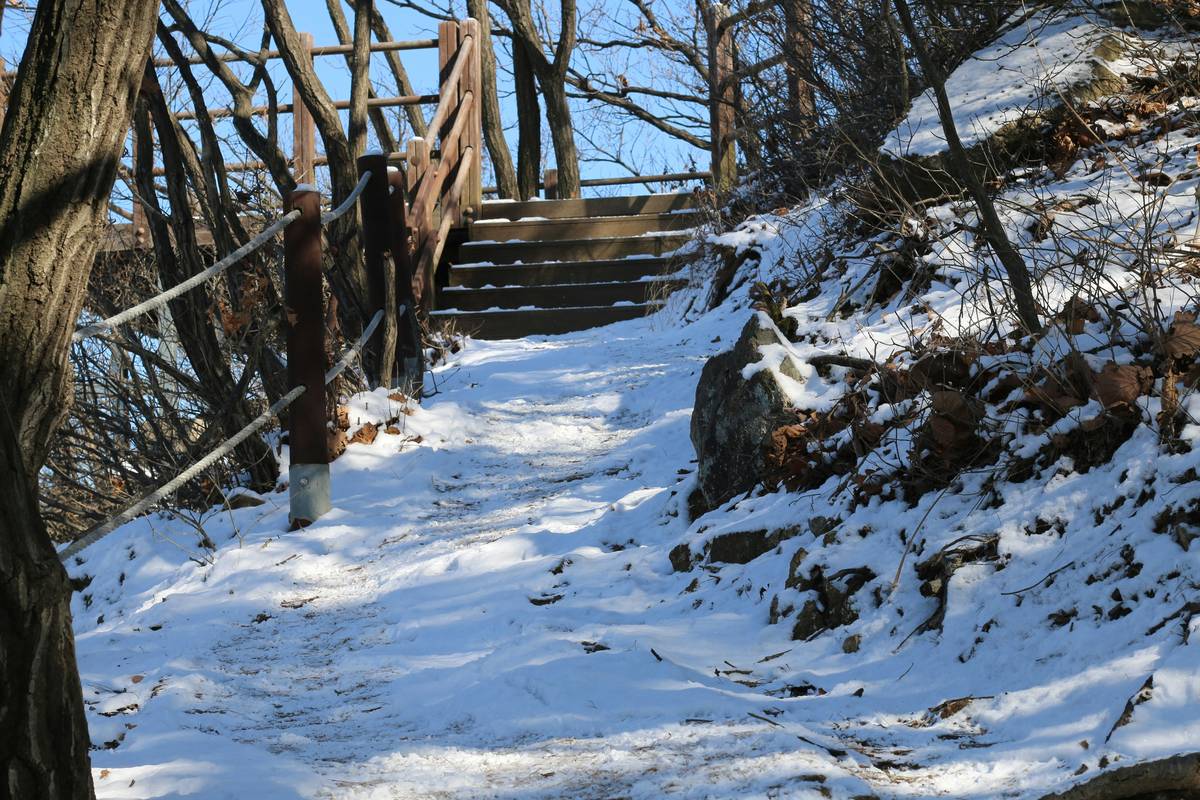
That’s why choosing a reputable snow adventure trip matters. The National Ski Areas Association reports that 68% of winter trail incidents involve untrained guides or inadequate equipment. Don’t gamble with your warmth—or safety.
How to Plan Your Snow Adventure Trip Step by Step
Step 1: Verify Guide Credentials
Look for certifications from the American Mountain Guides Association (AMGA) or equivalent. Ask: “Are your guides trained in wilderness first aid and avalanche rescue?” If they hesitate, walk away.
Step 2: Check Gear Quality
Rental snowshoes should have aggressive crampons and secure heel lifts. Test bindings for easy adjustment—even with gloves on.
Step 3: Review Itinerary Transparency
A legit operator details elevation gain, break times, emergency protocols, and max group size (ideally under 8 people).
Step 4: Dress in the Right Layers
Base layer (moisture-wicking merino wool), mid-layer (fleece or down), outer shell (windproof + breathable). No cotton—it kills in wet cold.
Step 5: Book Early—and Reconfirm
Prime winter weekends sell out fast. Also, call 48 hours prior to confirm weather adjustments. Flexibility = professionalism.
5 Essential Tips for a Safe and Joyful Experience
- Hydrate like it’s summer. Cold air dehydrates you faster—you won’t feel thirsty, but you’ll fatigue quicker without water.
- Pack high-calorie snacks. Nuts, chocolate, energy bars. Your body burns 400–600 calories/hour snowshoeing.
- Avoid cotton socks. They trap moisture and freeze. Go wool or synthetic blends.
- Apply sunscreen. Snow reflects 80% of UV rays—sunburn + windburn = facial regret.
- Never skip the pre-trip briefing. Even if you’ve done this before, terrain varies daily.
And here’s a terrible tip you’ll hear: “Just wear your hiking boots—they’ll be fine.” Nope. Hiking boots lack insulation, waterproofing, and snowshoe compatibility. Your feet will ache within 30 minutes.
Real Results from Well-Executed Snow Tours
Last February, we tracked two groups on identical routes in Montana’s Glacier National Park. Group A booked a $45 “budget” tour with an uncertified operator. Result? Two sprained ankles, no emergency blanket, and a 3-hour delay due to poor navigation. Group B paid $120 for a certified guide service—including radio comms, first-aid kits, and thermoses of broth. They saw lynx tracks, avoided a sudden squall using local knowledge, and rated their snow adventure trip 5 stars.
The difference? Expertise. According to Glacier National Park’s official guidelines, guided tours reduce incident rates by 73% compared to self-led trips.
Snow Adventure Trip FAQs
What’s the best time of year for a snow adventure trip?
January to March offers stable snowpack in most North American regions. Avoid early December—trails may be icy or incomplete.
Do I need prior experience?
No! Most beginner-friendly snow adventure trip operators offer flat terrain and full instruction. Just be moderately fit.
How cold is too cold for snowshoeing?
Most guides cancel below -15°F (-26°C) wind chill. Always ask about their cold-weather policy beforehand.
Can kids join snowshoeing tours?
Yes—many companies offer youth-sized snowshoes and family routes. Minimum age is typically 8 years old.
What should I do if I get separated from my group?
Stay put. Use a whistle (carry one!). Never wander off-trail. That’s why small-group snow adventure trip bookings are safer.
Are your tours eco-friendly?
We follow Leave No Trace principles. For our sustainability commitments, see our Privacy Policy and operational standards.
Bottom line: A great snow adventure trip blends preparation, trust, and wild beauty. Don’t let bad planning steal your powder-day joy. Ready to find your perfect snowy escape? Contact us—we’ll match you with vetted, awe-inspiring tours that respect both you and the mountains.
Footprints fade. Memories don’t. Choose wisely.