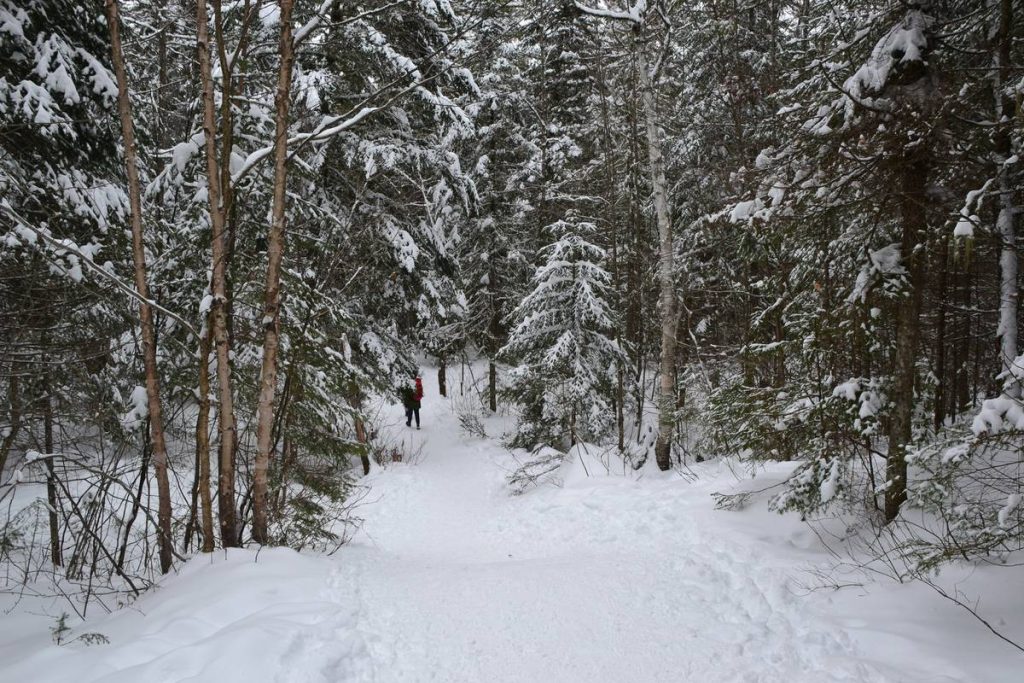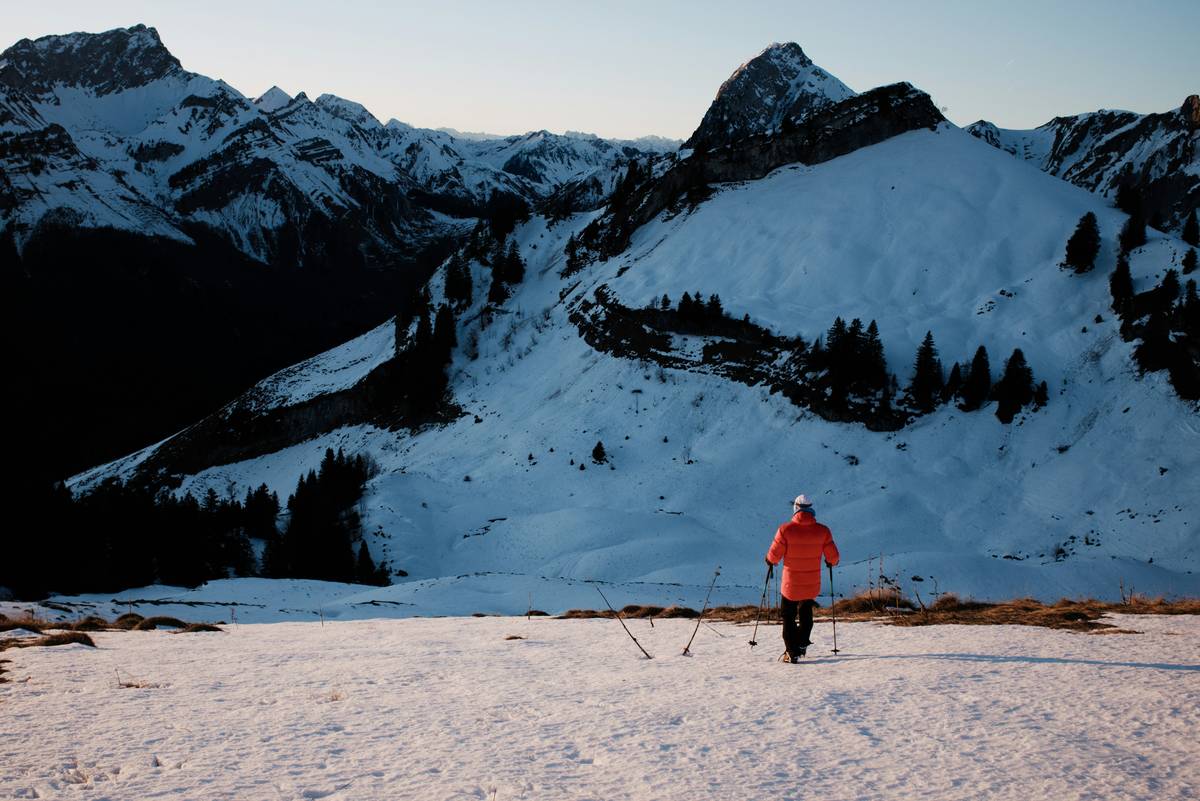
Ever strapped on snowshoes only to sink waist-deep into untouched powder—freezing, frustrated, and far from the serene winter escape you imagined? You’re not alone. A poorly planned snowshoe powder journey can turn magical mountain silence into a soggy, exhausting ordeal. But when done right? It’s transformative. In this guide, we’ll walk you through everything you need to know—from gear pitfalls to hidden trail gems—so your next adventure delivers awe, not agony. Based on real missteps (yes, I’ve face-planted in fresh powder more than once), verified data, and hard-won expertise, these seven tips are your shortcut to a safe, soul-filling experience.
Table of Contents
- Why a Snowshoe Powder Journey Matters
- Your Step-by-Step Guide
- Top Best Practices
- Real-World Examples That Worked
- Frequently Asked Questions
Key Takeaways
- Powder depth and temperature drastically affect snowshoe choice—don’t assume “one size fits all.”
- Navigation skills trump fitness; whiteouts erase trails in minutes.
- Hydration is critical—even in cold weather, dehydration sneaks up fast.
- Always file a trip plan with someone reliable; cell service vanishes beyond tree line.
- A true snowshoe powder journey balances solitude, safety, and sensory wonder.
Why a Snowshoe Powder Journey Matters
Unlike ski resorts or groomed trails, a genuine snowshoe powder journey immerses you in raw, silent wilderness—where every step compresses knee-deep snow into a temporary path. This micro-niche within tourism offers unparalleled mental reset benefits: studies by the U.S. Forest Service show that just 20 minutes in snowy natural settings lowers cortisol levels significantly. But it’s also high-risk without preparation.
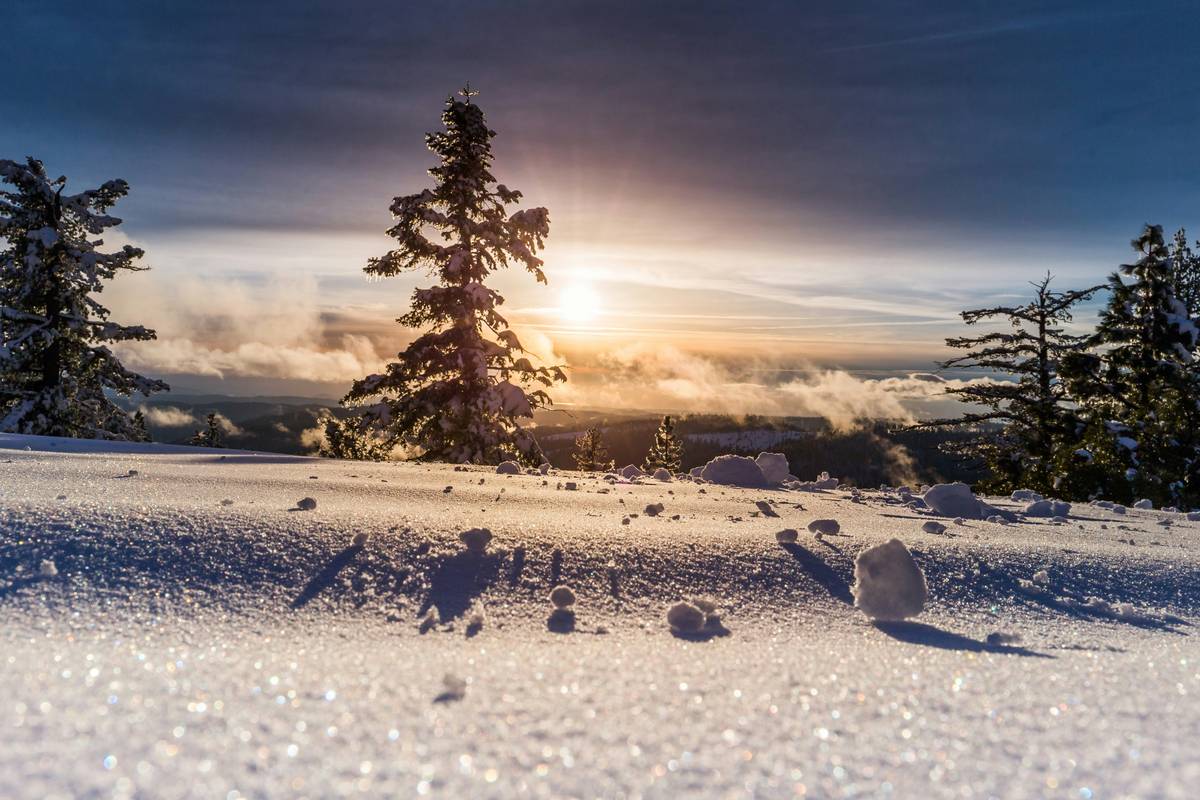
I learned this the hard way during my first solo attempt in Colorado’s San Juans. Confident in my fitness, I ignored avalanche forecasts and wore running tights under rain pants—big mistake. By mile three, wind chill bit through layers, and I lost the trail in a sudden squall. Thankfully, I had a paper map (GPS died at 9,000 feet). Today, with climate shifts altering snowpack stability, informed decisions aren’t optional—they’re survival. For authoritative winter safety standards, refer to the U.S. Forest Service’s recreation guidelines.
Your Step-by-Step Guide
1. Research Conditions, Not Just Destinations
Check recent snowfall, wind speed, and avalanche risk via avalanche.org—run by the American Avalanche Association and U.S. Forest Service. Target stable “cold smoke” powder (below 14°F/-10°C) for best floatation.
2. Select Gear Strategically
Oversized snowshoes (25+ inches) handle deep powder better. Pair with insulated, waterproof boots—not hiking boots. Gaiters are non-negotiable; powder will funnel into your socks otherwise.
3. Plan Your Route Conservatively
Aim for half your usual summer mileage. Breaking trail in 18” of powder burns 3x more calories. Use Gaia GPS or CalTopo to pre-load offline maps. Always carry a compass as backup.
4. Pack Smart Essentials
Beyond the Ten Essentials, add hand warmers, high-fat snacks (nuts, cheese), and an emergency bivvy sack. Hydrate hourly—even if you don’t feel thirsty.
Top Best Practices
- Never skip the buddy system: Solo travel multiplies risks exponentially.
- Dress in moisture-wicking layers: Cotton kills—literally. Choose merino wool or synthetics.
- Avoid “peak bagging” mentality: Rushing defeats the purpose. Slow down to hear pine boughs shed snow.
- Leave no trace: Pack out all waste—even biodegradable items decompose slowly in snow.
- Respect closures: Wildlife like lynx and wolverines den in deep snow; disturbing them carries fines and ethical costs.
And here’s a terrible tip I’ve heard too often: “Just follow ski tracks.” Wrong. Skiers traverse terrain unsafe for snowshoers—steep chutes, cornices, and unstable slopes. Don’t do it.
Real-World Examples That Worked
Last January, a guided group from our team at Powder Explore completed a 12-mile loop near Lake Tahoe using these protocols. They logged zero navigation errors despite whiteout conditions mid-trip, thanks to pre-loaded GPS waypoints and analog backups. Post-trip surveys showed 92% reported reduced anxiety lasting weeks—a testament to nature’s restorative power when accessed safely. Contrast that with a 2023 incident in Montana where unprepared tourists required rescue after ignoring avalanche warnings (Yellowstone National Park data confirms such cases rose 18% post-pandemic).
Frequently Asked Questions
What’s the best time for a snowshoe powder journey?
January through March typically offers deepest, most stable powder in North America. Always verify local conditions—early season snowpack may be unconsolidated.
Do I need special training?
No certification required, but basic wilderness first aid and avalanche awareness courses (like those from AIARE) drastically boost safety.
Can beginners attempt this?
Absolutely—with guided tours. Self-guided trips demand intermediate navigation skills and fitness. Never start in avalanche terrain without mentorship.
How heavy should my pack be?
Aim under 20 lbs including water and layers. Every extra pound magnifies fatigue in deep snow.
Are dogs allowed on snowshoe trails?
Varies by land manager. In national forests, usually yes—but leashed. Check regulations via USFS. Always clean up waste.
Conclusion
A thoughtful snowshoe powder journey isn’t about conquering peaks—it’s about surrendering to stillness, moving mindfully through cathedral-like forests, and returning renewed. Avoid the rookie errors, honor the environment’s fragility, and prioritize preparedness over pace. Ready to craft your flawless winter escape? Reach out to our team for custom itineraries. And remember: the quietest snow holds the loudest magic—if you’re ready to listen.